In order to improve the survival rate of strawberry plants, it is important to transplant strawberry seedlings correctly. There are specific techniques for transplanting. So how should strawberry seedlings be transplanted? Let's learn about the methods below.
1. Seedling selection
To improve the survival rate of transplanted strawberry seedlings and reduce the cost of purchasing seedlings, we should select seedlings that are uniformly growing and relatively short and sturdy.
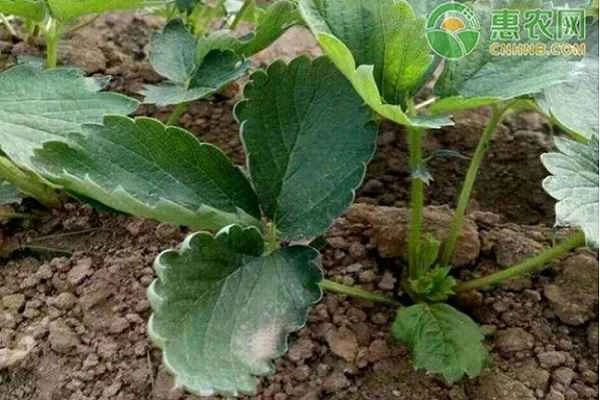
2. Soil
Choose loose, well-aerated soil such as garden soil, field soil, coal ash (in small amounts), and sand for mixing. Important aspects of soil are water absorption, drainage, and aeration; therefore, break up any compacted clods before mixing to maintain a loose texture.
3. Pruning
When transplanting or planting strawberries, it is important to prune them, removing any dead or yellow leaves from the bottom. This will prevent them from absorbing nutrients and will promote the growth of new leaves.
4. Time
For strawberry transplanting, a temperature of 15-23 degrees Celsius and a seedling terminal flower bud differentiation rate of around 50% are the two basic requirements for optimal survival. Transplanting strawberry seedlings on a sunny afternoon or during cloudy weather is most beneficial for survival; transplanting should not be done during the high temperatures of midday.
5. Depth
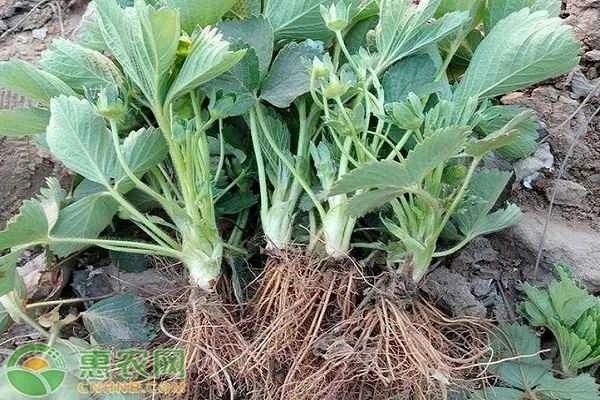
Some people plant strawberry seedlings very deep when transplanting, thinking that this will allow the roots to develop deeply and grow better. However, this actually slows down the development of new roots, slows down the seedling's recovery, and slows down the growth of new leaves. Strawberry seedlings should be transplanted with the crown of the seed uncovered and the roots not exposed. When planting, it is essential to determine the planting direction, ensuring that the arched back of the strawberry seedling faces the furrows on both sides. This will allow the fruit clusters to grow towards the sides of the furrow, improving ventilation and facilitating harvesting.
6. Management
After transplanting strawberry seedlings, water them immediately on the day of transplanting; this is crucial for their survival. During the recovery period, water regularly to keep the soil moist. Also, straighten any seedlings that have fallen over. When new leaves emerge after about a week, it indicates the seedlings have recovered, at which point you can begin to extend the watering interval; water only when the soil is dry.
7. Note
Do not add chemical fertilizers or other irritating fertilizers during the transplanting of strawberry seedlings. You can mix in organic fertilizer or slow-release fertilizer appropriately. Because the roots are relatively fragile when the plant is adapting to the new soil, fertilizing immediately may irritate the roots. You can wait until new buds grow before fertilizing.