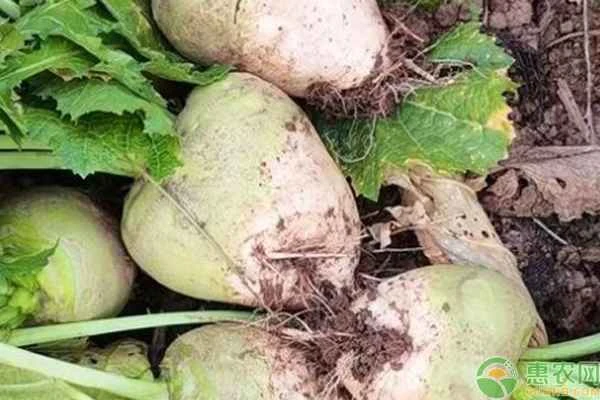
Spicy mustard greens, also known as turnip mustard or root mustard , are a popular and delicious vegetable when processed into mustard shreds. So, how are spicy mustard greens grown? Let's find out.
1. Cultivation time
Generally, whether in the south or the north, sowing is mainly done in autumn. In areas where temperatures drop quickly in autumn, sowing can be done earlier. Conversely, in areas where temperatures drop more slowly, the sowing period can be extended.
2. Sowing
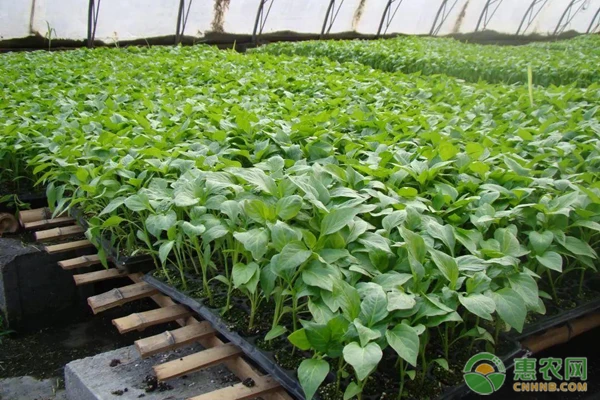
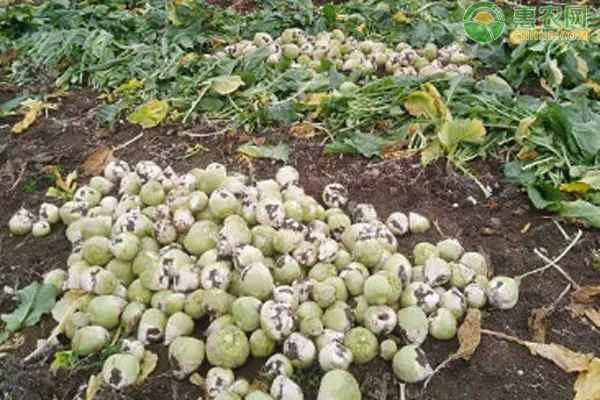
There are two main types of sowing methods for spicy cabbage: direct sowing and seedling sowing. In my country, most spicy cabbage is sown using seedling sowing. The soil covering should not be too thick, about 1.5 cm is appropriate, and seedlings usually emerge after 3 days.
3. Fertilizing
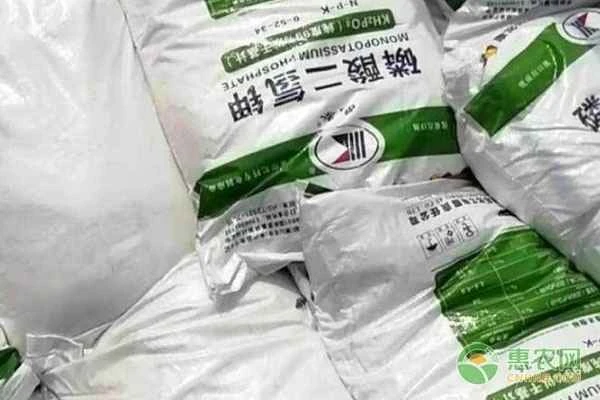
In areas south of the Yangtze River, seedlings should be raised first and then transplanted. Fertilizer should be applied to seedbeds with low pollution levels and good ventilation. Remove all coverings about 3 days after sowing and ensure the seedlings receive sufficient sunlight. Remove weak seedlings after about two weeks. Spicy clumps require fertilizers suitable for leaf growth, such as nitrogen, phosphorus, and potassium fertilizers. In areas with poor soil fertility leading to insufficient base fertilizer, topdressing can be considered.
4. Land preparation and planting
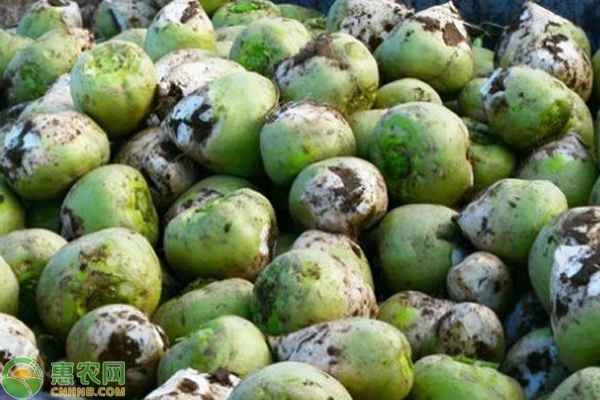
Before formal transplanting, the land needs to be prepared, with the depth of the raised beds controlled at 20-30cm, and the height and width adjusted according to the actual situation. Generally, the planting density of *Gnaphalium affine* should be controlled at around 45,000-50,000 plants per hectare. Excessive density will affect the weight of the fleshy roots and thus the final yield. Transplanting can be carried out about 30 days after initial planting. Water the plant before transplanting to ensure the seedlings are perpendicular to the center of the planting hole.
5. Daily Management
Routine management is the key task during the growth period of the spicy clump, including seedling establishment and thinning to allow the cotyledons to fully unfold, while avoiding overcrowding due to excessive growth density, which would affect yield.
6. Pest and disease control
Diseases and pests are unavoidable during the growth process, including soft rot and black rot, while pests include aphids and beet armyworms. Under the requirements of green technology, more environmentally friendly biological control measures are the main approach, supplemented by general physical or chemical control methods.