Earthworms, also known as "earth dragons ," are not only a favorite all-purpose bait among anglers but also a valuable traditional Chinese medicine . There are many varieties of earthworms, and their sizes vary considerably. So, how big can an earthworm grow? Details are as follows:
How big can an earthworm grow?
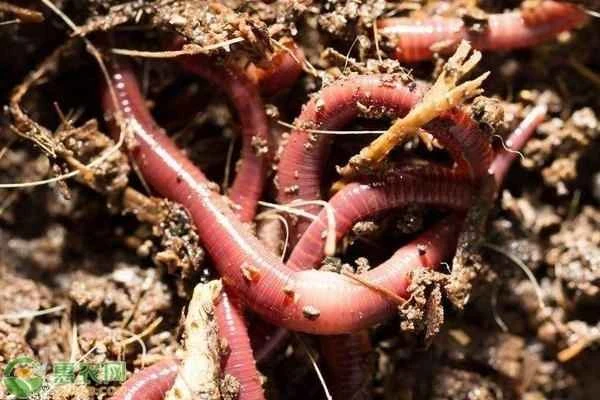
There are many varieties of earthworms. The average earthworm can grow to about 30 centimeters in length, while some varieties can grow much larger. For example, the Gippsland giant earthworm can reach a length of 1 meter, while the world's largest earthworm, the Australian giant earthworm, can reach a length of more than 3 meters.
What is the life cycle of an earthworm?
Earthworms generally need to go through five stages to grow up: egg cocoon stage, juvenile stage, nymph stage, adult stage, and senescence stage.
1. Egg cocoon stage
After mating, earthworms typically lay cocoons of eggs after 1-12 days. Under suitable temperature and humidity conditions, the eggs begin to hatch in about 14 days, with each cocoon producing 3-4 baby earthworms.
2. Larval stage
Emerging from the cocoon, the larvae are tiny and weak, measuring 5-15 millimeters in length. Initially, they resemble white velvet, later developing a body color similar to that of adult worms.
3. Nymphal stage
This refers to the juvenile stage of earthworms, where the individuals are close to adult earthworms, but their reproductive organs are not yet mature. During this period, if the earthworms are more active and grow and develop rapidly, the frequency of cleaning their feces, supplementing their feed, and turning over their beds should be increased appropriately.
4. Adult stage
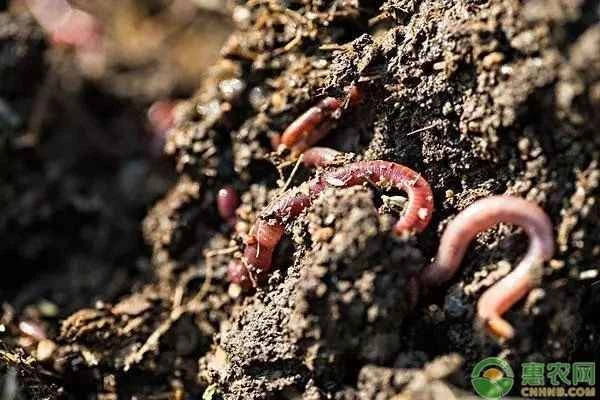
Earthworms grow into adult earthworms in about 70 days. The obvious sign of adult earthworms is the appearance of clitellum, at which point the earthworms have reached sexual maturity and enter the adult earthworm breeding period.
5. Aging period
After 1-1.5 years, adult earthworms begin to age, and their clitellum disappears. The disappearance of the clitellum marks the end of the earthworm's reproductive period, and aging begins. At this time, the earthworm's weight decreases, and the structure and function of various organs and systems also begin to age. Over time, it eventually dies due to physiological aging.