Rabbit manure is a high-quality organic fertilizer , rich in nitrogen, phosphorus, and potassium, as well as various trace elements and vitamins. However, because fresh rabbit manure has a high water content, a foul odor, and contains a large number of insect eggs and impurities, it needs to be fermented before use. So how is rabbit manure fermented to make organic fertilizer? Details are as follows:
1. Purpose of fermentation
Undigested proteins in rabbit manure cannot be directly utilized by plants; they must be fermented and decomposed before they can be absorbed. Therefore, rabbit manure must be fermented to allow microorganisms to break down the undigested proteins and fully utilize its fertilizing effect.
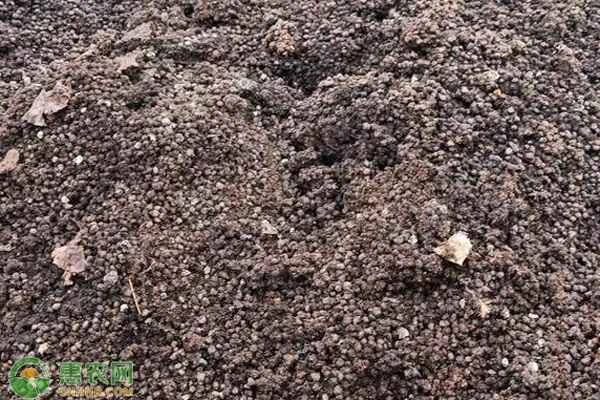
2. Material Preparation
The main materials include main ingredients, auxiliary ingredients, and fermentation agents; the main ingredient is animal manure, such as rabbit manure (cattle, sheep, pig manure, etc. can also be used); the auxiliary ingredients are various crop straws, mushroom residue, fallen leaves and branches, sawdust, etc.; others: fermentation agent (can be purchased if available, but not required).
3. Stacking time
During spring, summer, and autumn, the outdoor temperature is kept above 20°C for the purpose of stacking.
4. Pile fermentation
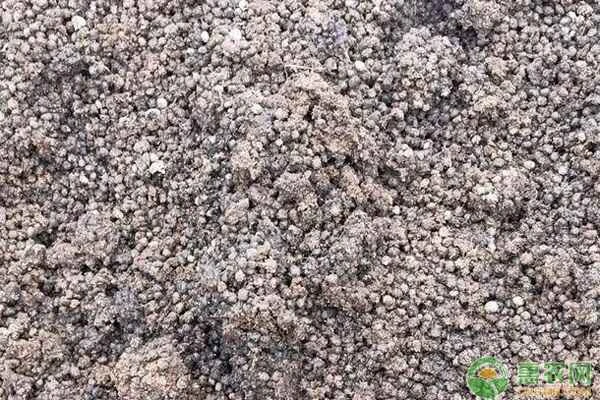
Pile rabbit droppings and leftover hay together, adding water as you go until the moisture content reaches about 50%. Shape the pile into a circle, seal the sides with mud, and let it ferment. After several weeks, the internal temperature can reach above 50°C. Once the temperature drops, open the pile and let it ferment for a while longer. It is generally ready when it turns brown, has no odor or sour smell, and feels soft and not sticky to the touch.
5. Composting conditions
(1) Moisture content: Generally, it should be 60%-75% of the maximum water holding capacity of the compost material.
(2) Ventilation: During the composting process, the pile should be turned over regularly to increase the permeability of the fermentation pile.
(3) Maintain a neutral or slightly alkaline environment: Add an appropriate amount of lime or calcareous soil to neutralize and regulate acidity, and promote the reproduction and activity of microorganisms.
(4) Carbon-nitrogen ratio: The ideal carbon-nitrogen ratio in compost is generally between 20:1 and 40:1. The optimal carbon-nitrogen ratio in compost is 24:1. The carbon-nitrogen ratio plays an important role in the growth and metabolism of microorganisms in compost. Low carbon-nitrogen ratio compost has too high salt content, which will inhibit the germination rate of seeds, while high carbon-nitrogen ratio will lead to the nutrient content of compost fertilizer not meeting the standards.