Seedling raising is a crucial step in chili pepper cultivation, and nurturing strong seedlings greatly influences the high yield and quality of chili peppers later on. So, when is the best time to raise chili pepper seedlings? Let's find out below.
When is the best time to start chili seedlings?
The optimal temperature for chili seed germination is 25-30℃. Germination is difficult when the temperature is below 10℃. For open-air seedling cultivation, sowing can be done when the average daily temperature is stable above 15℃. Therefore, the seedling cultivation time for chili is usually between mid-February and early March.
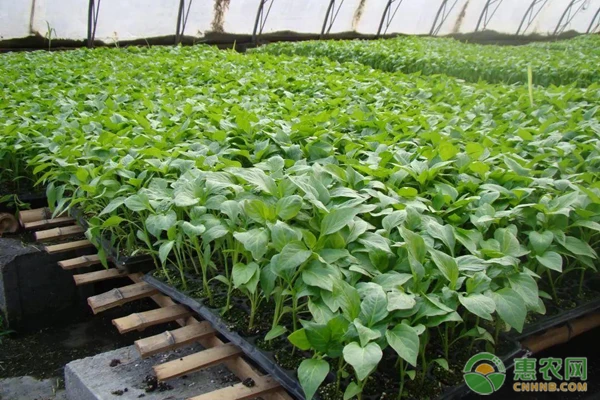
Methods of raising chili seedlings
1. Soaking seeds
Remove the chaff from the seeds, wrap them in a cloth, and soak them in room temperature water for about 8 hours. Drain the water. Alternatively, take an appropriate amount of 55℃ warm water, pour the seeds into the warm water and stir constantly until the water temperature drops to 30℃, then soak for another 8 hours to promote germination. Pay attention to the soaking time; too short a time will result in insufficient water absorption and slow germination; too long a time will cause nutrient loss from the seeds, affecting the germination rate.
2. Germination
After soaking, remove the seeds, drain them, and let them air dry. Spread them evenly on a clean, damp cotton cloth, roll them up, and place them in a warm place at around 30℃ to germinate. Alternatively, put the cotton cloth in a plastic bag and place it in your clothing pocket for germination. During germination, every 12 hours, open the damp cloth and rinse the seeds with 30℃ warm water, then wrap them in the damp cloth again to continue germination. Generally, after 4-5 days, when 70-80% of the seeds have sprouted, they are ready for sowing.
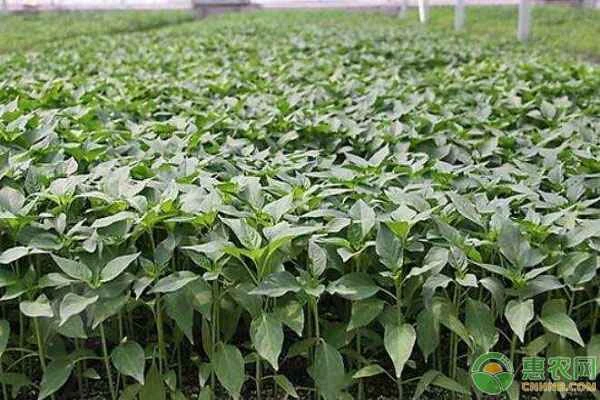
3. Seedbed selection
Choose a sheltered, sunny plot of land with convenient irrigation and drainage, where chili peppers and solanaceous crops have not been previously grown. Before digging the seedbed, spread sifted fertilizer on the soil surface, then dig, tamp, and level it. Apply 10 kg of well-rotted organic fertilizer per square meter, mixing it evenly with the soil. Then, prepare raised beds 10 cm high and 1.2 meters wide. Raised beds help control water flow. It is best to sift the topsoil before sowing.
4. Sowing
Seedbed sowing is generally done by broadcasting. To ensure even distribution, a suitable amount of sifted fine sand can be mixed with the seeds. Divide the seed-sand mixture into several equal portions, broadcasting each portion repeatedly. Before sowing, thoroughly water the seedbed. After the water has seeped in, cover with a layer of fine soil, then evenly scatter the germinated seeds on the seedbed. Cover with another 1 cm layer of fine soil. To ensure sufficient moisture for seed germination, water again after covering with soil using a watering can or sprayer.
5. Cover with film
During the winter and spring seasons, when temperatures are low, after sowing, it is necessary to promptly construct small plastic film arched sheds 50-60 cm high to keep the soil warm and moist, promote timely germination, and prevent frost damage to seedlings.