Watermelons are sweet and delicious, making them an essential summer treat. In recent years, more and more farmers have been growing watermelons . Due to regional climate differences, the planting time for watermelons varies. So, in which months should watermelon seedlings be started? In which months should they be planted? Let's take a look.
1. In which month should watermelon seedlings be started? In which month should they be planted?
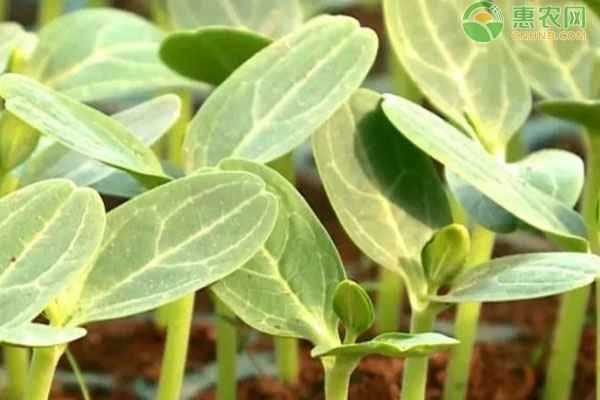
Watermelon seedlings should generally be raised between mid-March and early April, as there is more rainfall, suitable air humidity, and rising temperatures that are not expected to drop to severe cold. This period is ideal for seed germination and growth. It is not suitable to raise them any later. When the watermelon seedlings have grown to 2-3 true leaves, they can be transplanted.
II. The Entire Process of Watermelon Seedling Cultivation
1. Seed selection and treatment
First, selecting high-quality, healthy watermelon seeds is crucial for successful seedling cultivation. When selecting seeds, choose large, plump seeds free from pests and diseases. After selecting the seeds, they need to be treated, including three steps: sun-drying, soaking, and germination. Sun-drying improves the germination rate, soaking accelerates water absorption and swelling, and germination promotes rapid germination.
2. Preparation of seedling soil
Seedling soil is the foundation of watermelon seedling cultivation and is crucial for seedling growth. The seedling soil should be loose, well-aerated, and retain moisture and nutrients effectively. A good method is to mix well-rotted organic fertilizer with garden soil, then add an appropriate amount of fine sand and well-rotted chicken manure, stir thoroughly, and then fill the seedling trays.
3. Sowing and Seedling Management
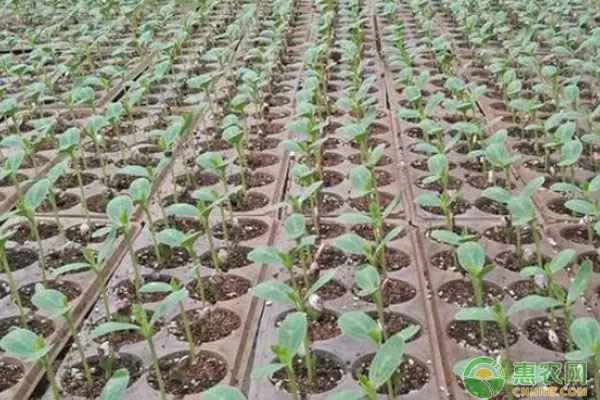
Before sowing, thoroughly water the seedling tray. After the water has soaked in, evenly scatter the seeds on the soil surface, then cover with a thin layer of soil, just enough to cover the seeds. After sowing, keep the soil in the seedling tray moist, avoiding both excessive dryness and excessive wetness. At the same time, pay attention to temperature control and maintain a suitable growing environment. Generally, the temperature during the watermelon seedling stage should be controlled between 20-30℃, with nighttime temperatures not falling below 15℃.
4. Pest and disease control
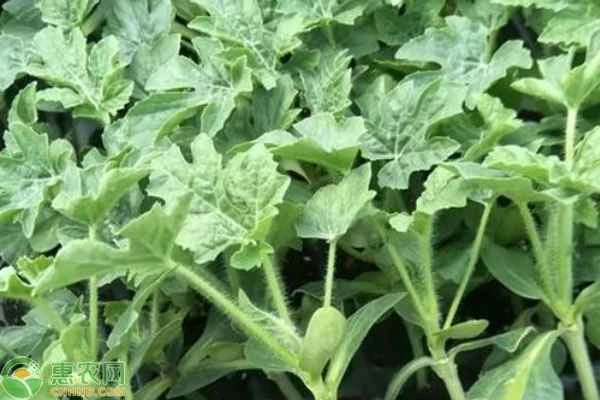
Pest and disease control is also an important part of seedling cultivation. Common pests and diseases include damping-off, seedling blight, and aphids. To prevent these pests and diseases, the following measures can be taken: improve ventilation and keep the seedbed dry; regularly spray fungicides such as chlorothalonil and carbendazim; and promptly remove diseased and weak seedlings to reduce the spread of pests and diseases.
5. Hardening off seedlings and transplanting
When watermelon seedlings have grown 2-3 true leaves, they can be hardened off and transplanted. Hardening off aims to improve the seedlings' resistance to adverse conditions and help them better adapt to the external environment. The seedling trays can be moved to a well-ventilated, sunny location, and the temperature and humidity gradually decreased to allow the seedlings to acclimatize. Before transplanting, the seedbed should be thoroughly watered, and then the seedlings carefully removed from the trays and transplanted into the prepared field. After transplanting, water promptly to keep the soil moist and promote seedling growth.
6. Field management
Post-transplanting field management is an indispensable part of watermelon cultivation. Field management includes timely watering, fertilization, weeding, and loosening the soil. Simultaneously, it's crucial to prevent and control the occurrence and spread of pests and diseases. Appropriate pesticides can be selected based on the specific conditions, but careful attention must be paid to the application methods and dosages to avoid harm to the environment and human health.