Aloe vera is a very popular succulent and one of the easiest plants to grow. Its care is very simple, but many people still encounter the problem of drooping leaves. So how do you care for aloe vera to prevent drooping leaves? Let's find out below.
1. Soil aeration
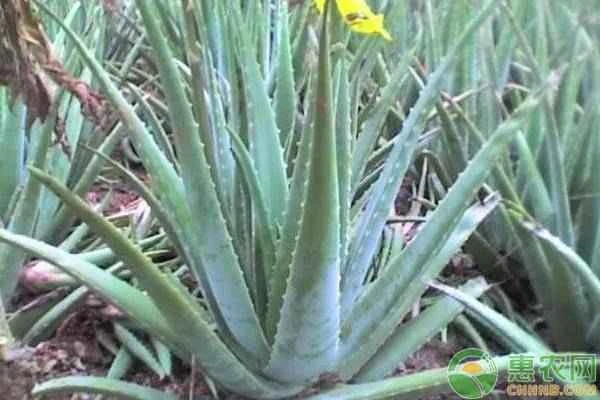
To prepare good soil for aloe vera, you need to choose a soil mix that is well-draining. Aloe vera leaves are thick and roots are relatively large. You can mix coarse river sand with nutrient-rich soil, or you can mix river sand with garden soil. As long as the soil is well-draining, there will be no problem growing aloe vera.
2. Water appropriately
The principle of watering aloe vera is to water it thoroughly when the potting soil is almost completely dry, or you can water it only after it has dried out. This ensures that it doesn't lack water and that the soil is dry enough to replenish moisture in time, preventing the roots from drying out. Timely watering is essential for its rapid growth; insufficient water will cause the roots to dry out, slow its growth, and dry its leaves.
3. Good drainage
For aloe vera, ensure the soil has good drainage and that the pot has plenty of drainage holes at the bottom. When planting aloe vera, you can first place some broken tiles or pebbles at the bottom of the pot to prevent the soil from clogging the drainage holes.
4. Pay attention to the temperature.
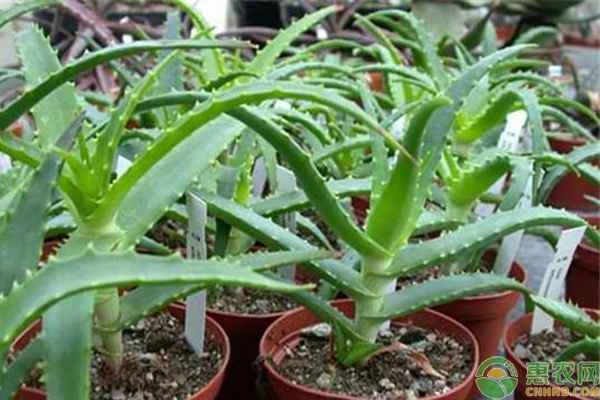
When caring for aloe vera, excessively high or low temperatures can cause the leaves to droop. The optimal growing temperature for aloe vera is between 15 and 27 degrees Celsius. If the temperature drops below one degree Celsius, it is prone to frost damage. If the temperature exceeds 33 degrees Celsius, it is necessary to provide appropriate shade.
5. Pay attention to lighting.
Aloe vera prefers sunlight, but it cannot tolerate prolonged exposure to direct sunlight, especially during the high temperatures of summer. Excessive sunlight can cause the leaves to turn red, at which point the amount of sunlight should be gradually reduced to prevent sunburn. However, aloe vera should not be kept in dark or overly shady places, as this can cause the plant to grow leggy and the leaves to droop.
6. Pest and disease control
Infections with pests and diseases can cause aloe vera leaves to droop. For example, rust disease, especially in humid environments and low temperatures, easily leads to its growth. In such cases, it's crucial to improve the environment promptly, keeping it dry and warm, and spraying with a fungicide. Soft rot in aloe vera leaves can cause them to become watery and rotten, usually due to overwatering or excessively humid conditions. Potted aloe vera is generally less susceptible to pests, but aphids may occasionally appear. These can be removed by flushing them away with plenty of water or spraying with soapy water.