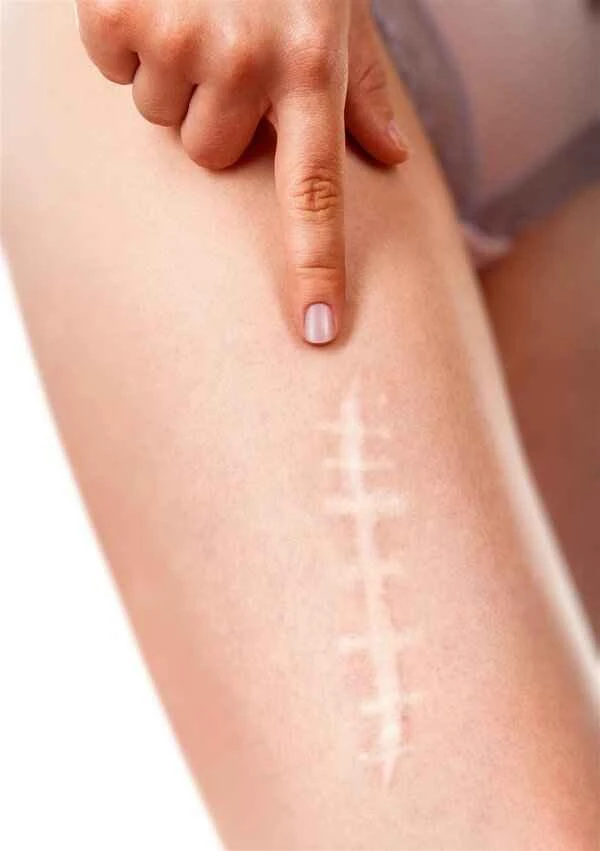
The removal of facial and neck scars primarily involves various treatment methods to reduce or eliminate scar tissue, restoring the skin's smoothness and aesthetics. The key to successful facial and neck scar removal lies in choosing the appropriate treatment method, which includes, but is not limited to, medication, laser therapy, and surgical excision. Each method has its specific mechanism of action and indications.
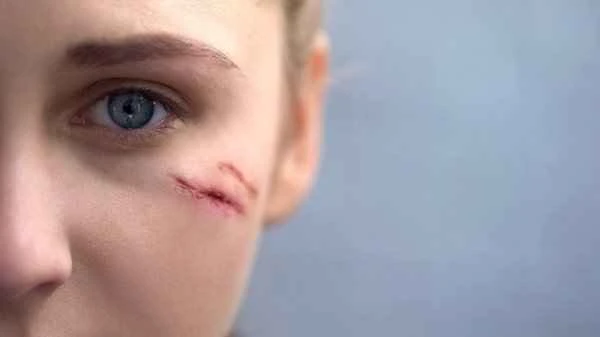
When choosing a treatment method, factors such as the type, size, and location of the scar, as well as the individual's health condition, need to be considered. Drug treatment involves applying topical or oral medications to reduce inflammation and promote skin healing. Laser treatment uses specific wavelengths of laser light to target scar tissue, stimulating collagen regeneration and improving skin texture. Surgical excision is suitable for larger or more severe scars. It involves directly removing the scar tissue, followed by skin suturing or skin grafting to achieve the best repair results. These treatment methods complement each other, and comprehensive treatment can achieve better scar removal outcomes.
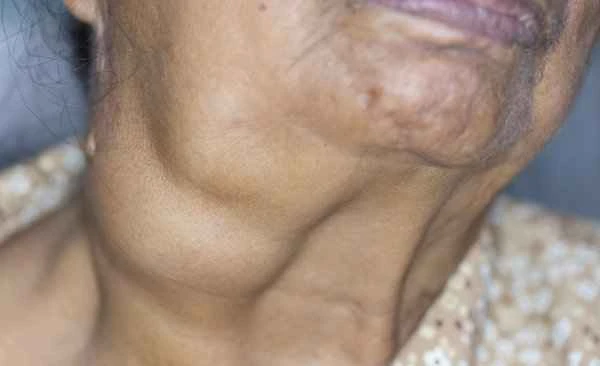
Patients may encounter some risks and misconceptions during the treatment of facial and neck scars. Scar treatment is a long-term process requiring patience and consistent care. Some patients may over-rely on a single treatment method, neglecting the importance of comprehensive treatment. Side effects such as skin redness and swelling, and infection may occur during treatment; therefore, it is essential to fully understand the potential risks before treatment and to undergo treatment under the guidance of a doctor. Finally, treatment effectiveness is also influenced by individual constitution, lifestyle habits, and other factors. Therefore, in addition to following the doctor's instructions, maintaining healthy lifestyle habits is crucial to promoting treatment results.

[Management Tip:]
1. Before choosing a treatment method, be sure to consult a professional doctor to develop a personalized treatment plan based on the specific condition of the scar.
2. During treatment, pay attention to skin reactions. If any abnormalities occur, seek medical attention promptly.
3. Maintaining good lifestyle habits, such as avoiding excessive sun exposure and keeping the skin clean, can help improve the treatment effect.