Although the varicella-zoster virus (VZV) primarily manifests as a one-time illness after the initial infection, the virus can remain dormant in nerve cells, potentially leading to recurrence. Shingles is caused by the varicella-zoster virus (VZV), which remains dormant in nerve ganglia after the initial infection. When the body's immunity declines, the virus may become active again, causing a recurrence of shingles.
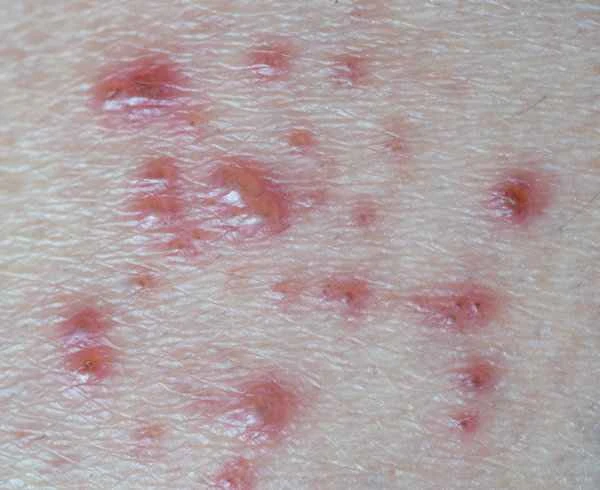
The recurrence of shingles primarily depends on an individual's immune status. When the body's immunity is weakened, such as under conditions of chronic stress, malnutrition, chronic disease, or the use of immunosuppressive drugs, the virus latent in nerve cells may be activated, leading to a recurrence of shingles. Age is also an important factor; older adults are more prone to shingles recurrence due to weakened immune function. Shingles recurrence is not only related to immune status but may also be influenced by genetic factors, environmental factors, and many other aspects. Understanding and managing these risk factors is crucial for preventing shingles recurrence.
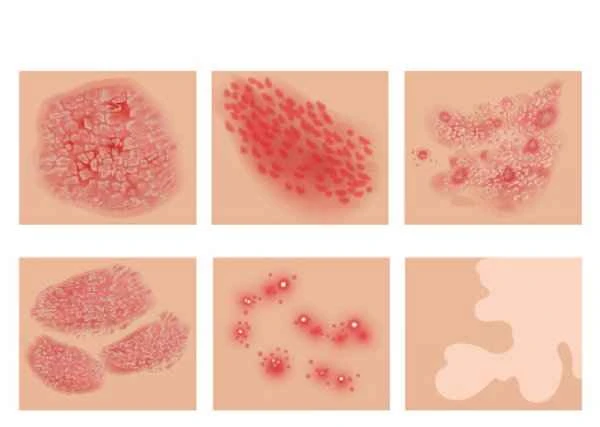
[Management Tip:]
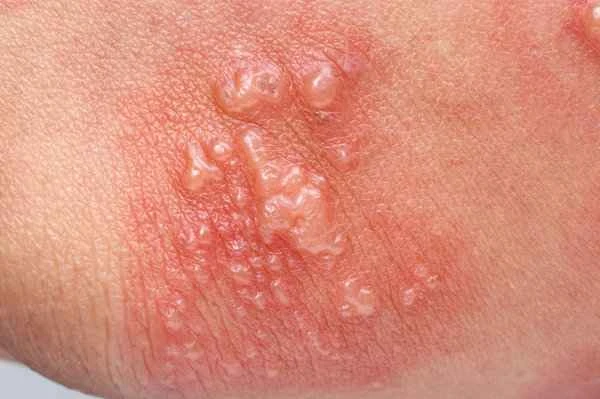
1. Maintain good lifestyle habits, including a balanced diet, sufficient sleep, and moderate exercise, to enhance immunity.
2. Avoid prolonged mental stress, learn to regulate your emotions effectively, and maintain an optimistic attitude.
3. Have regular physical checkups to detect and treat diseases that may affect the immune system in a timely manner.
4. For high-risk groups, such as the elderly or people with chronic diseases, getting the shingles vaccine may be considered to reduce the risk of recurrence.