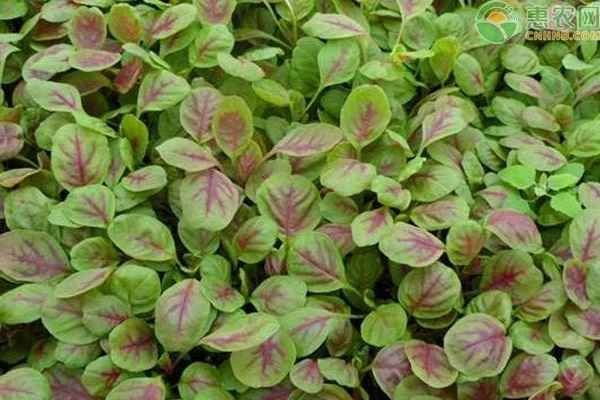
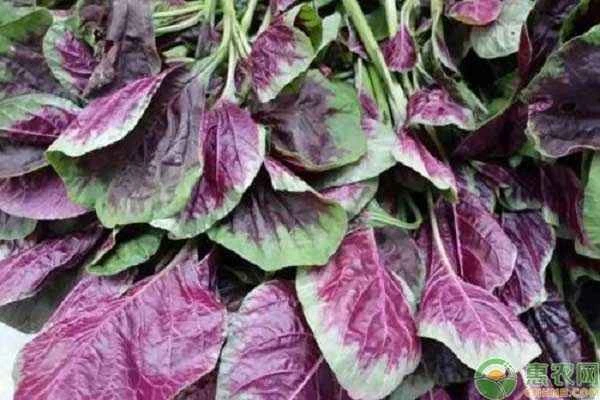
Amaranth, also known as green amaranth, red amaranth, or wild spiny amaranth, is an annual vegetable whose tender leaves are eaten. It is a favorite on the summer table. So, can amaranth be planted in summer? How to plant it? Let's find out below.
Can amaranth be planted in the summer?
Amaranth is a popular summer vegetable, typically planted outdoors in April and May, and can also be grown in some other areas during the summer. However, when planting amaranth in the summer, it is important to choose varieties that are heat-resistant, drought-resistant, and resistant to diseases and pests.
How to grow amaranth in summer?
1. Make furrows
Choose a flat, well-drained, fertile, loose sandy loam or clay loam soil, preferably alkaline. After the previous crop is harvested, prepare the land by applying 2000 kg of manure and 50 kg of diammonium phosphate per acre. After deep plowing and harrowing, create flat beds 1.5 meters wide.
2. Sowing
Direct sowing is generally used, with seedlings harvested for consumption. Sowing is done in stages from May to late June. Broadcasting is used, with 1 kg of seeds per acre. After sowing, cover with 0.5 cm of soil, compact, and water thoroughly.
3. Fertilizer and water management
Amaranth is a wild vegetable that is easy to manage; simply keeping the field moist is sufficient. During the hot summer months, it is also necessary to cover the plant with shade netting to cool it down and retain moisture, covering it during the day and uncovering it at night to create a suitable temperature environment for amaranth growth. This will help increase yield and improve quality.
From sowing until the seedlings have two true leaves, apply the first top dressing on a sunny day; apply the second top dressing about 12 days later; and apply the third top dressing after the first thinning and harvesting. Water promptly after each top dressing. Apply top dressing after each harvest. If the base fertilizer is sufficient, top dressing may not be necessary during the growing season.
4. Pest and disease control
Amaranth is relatively resistant to disease, with white rust being the main disease and aphids being the main pest. To control white rust, spray with a 700-fold dilution of 50% metalaxyl-copper wettable powder or a 600-fold dilution of 60% metalaxyl-aluminum copper wettable powder at the initial stage of the disease. To control aphids, spray with a 1200-2000-fold dilution of 40% dimethoate or a 4000-fold dilution of 2.5% cypermethrin emulsifiable concentrate.
5. Harvesting
The first harvest of amaranth is carried out when the plant has 5-6 leaves after sowing, by thinning out some overly dense plants. Twenty days later, when the plant is 20-25 cm tall, a second harvest is carried out, leaving 5 cm at the base. A third harvest is carried out when lateral branches sprout and grow to about 15 cm.