The key to reducing the occurrence of hypertrophic scars lies in proper care during the wound healing process.
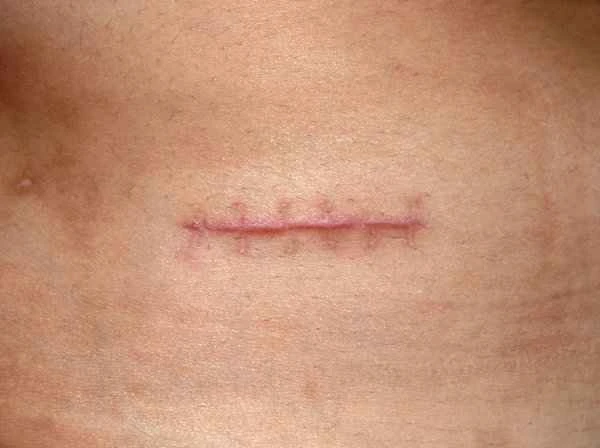
Hypertrophic scarring is caused by excessive collagen deposition during the skin's repair process. When the skin is injured, the body initiates a series of repair mechanisms, including inflammation, cell proliferation, and collagen deposition. If these processes are disrupted, hypertrophic scarring can occur. Proper wound management, reducing inflammation, and promoting the normal healing process are key to preventing hypertrophic scarring.
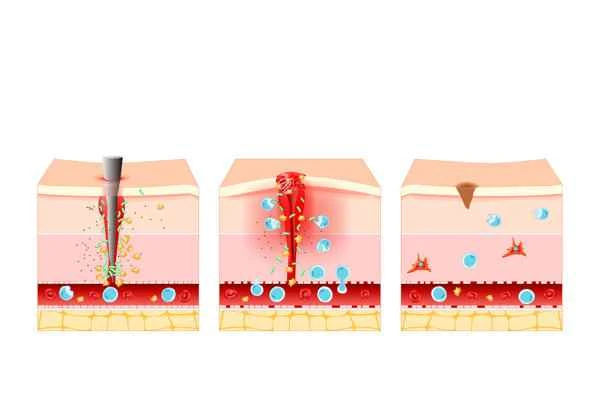
During wound healing, keeping the wound clean and properly bandaging it can reduce the risk of infection, thereby lowering the likelihood of hypertrophic scarring. Using products containing silicone can help keep the wound moist, promote normal skin healing, and reduce scar formation. Products such as silicone patches and gels have been shown to be significantly effective in preventing hypertrophic scarring. At the same time, avoiding excessive stretching and friction on the wound helps reduce scar formation.
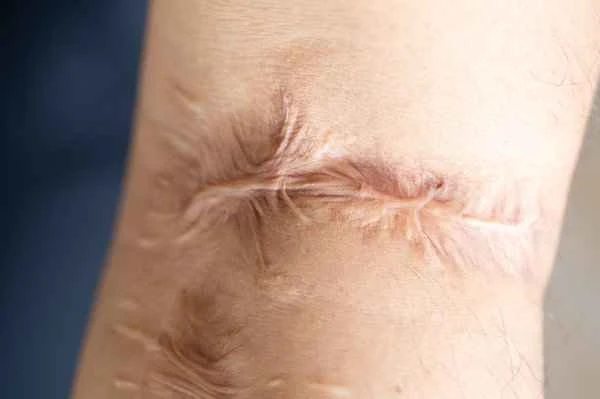
[Life Tips:]
1. Keep the wound clean to prevent infection.
2. Use silicone products, such as silicone patches or gels, to help reduce scar formation.
3. Avoid excessive stretching and friction on the wound.
4. Maintain proper bandaging and care during the wound healing process.