Chloroplasts are the basic units of photosynthesis, and many plant tissues and organs contain them. So, do onion epidermal cells contain chloroplasts? The answer is as follows:
Do onion epidermal cells contain chloroplasts?
Onion epidermal cells are colorless and transparent, therefore they lack chloroplasts. Some epidermal cells do contain mitochondria, chromosomes (within the cell nucleus), and cytoplasm.
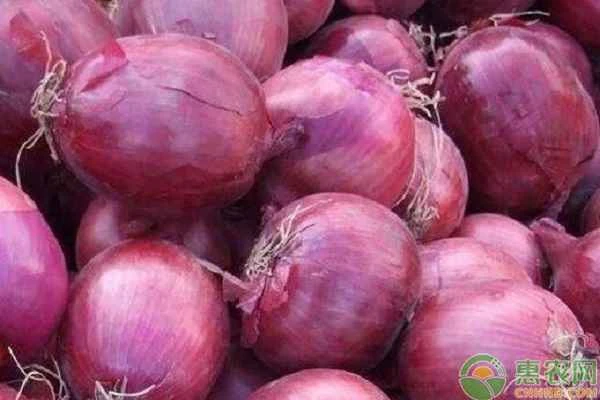
What's the difference between purple and yellow onions?
1. Nutritional differences
Nutritionally, purple onions are superior to yellow onions . Purple onions are rich in anthocyanins, a natural antioxidant, and also contain abundant protein, dietary fiber, potassium, and calcium. However, yellow onions also have their advantages, such as containing large amounts of carotene and vitamin C.
2. Difference in taste
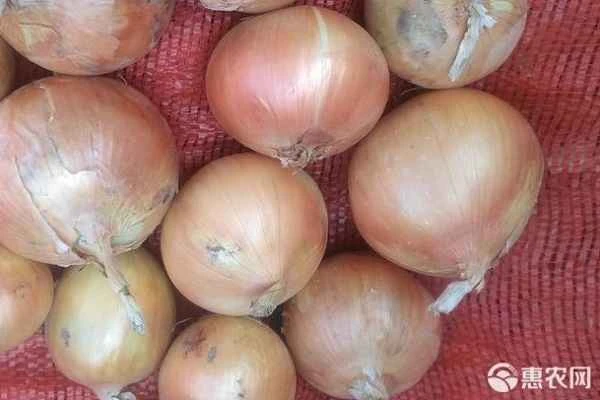
Purple onions have less moisture and are relatively spicier, but they have a stronger onion aroma. In contrast, yellow onions are much milder, not as spicy as purple onions, and have more moisture and sweetness, with a slightly sweet taste and a soft texture.
3. Differences in cooking methods
Purple onions generally need to be cooked to better appreciate their fresh and tender texture. They are often stir-fried at home, such as in dishes like scrambled eggs with onions or stir-fried beef with onions. Yellow onions, on the other hand, have a sweeter flavor and are best enjoyed raw. Foreigners often use yellow onions in salads or baking, as they are nutritious, refreshing, and delicious.
4. Differences in place of origin
Yellow onions are mainly produced in Northeast, North, and Northwest China, while purple onions are produced in Yunnan, Gansu, and other places.
5. Save differences
Yellow onions have a higher water content and sweetness, so they have a relatively shorter shelf life; while purple onions have a lower water content and are less prone to rotting and spoilage.