Mastering the correct application time is crucial for herbicide application , ensuring optimal efficacy and making weed control in the field easier. So, when is the best time to apply herbicides? Let's find out below.
When is the best time to apply herbicides?
The best time to spray herbicides is before 10 a.m. or after 4 p.m. on sunny days, and throughout the day on cloudy days (without rain), as these times allow the herbicides to be most effective. However, the specific time may vary depending on the actual conditions.
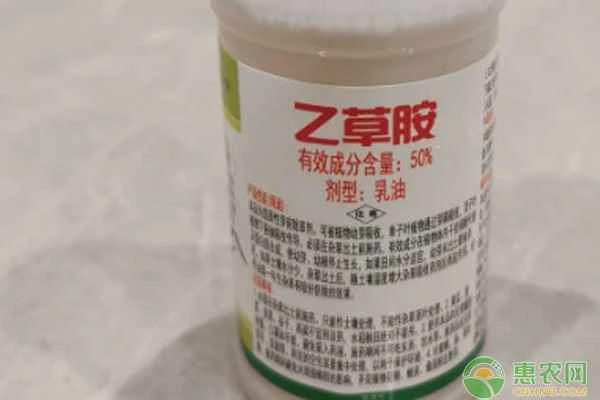
What types of herbicides are there?
1. Choose a herbicide
This refers to herbicides that are selective among different plants, capable of poisoning or killing weeds without harming crops, or even only poisoning a specific weed without damaging crops or other weeds. Examples include clethodim, naproxen, sodium 2,4-D, propargite, and bentazon.
2. Non-selective herbicides
Non-selective herbicides have little or no selectivity for plants, killing both weeds and seedlings indiscriminately. Examples include diquat, glufosinate, glyphosate, and paraquat.
3. Soil treatment agents
Soil-applied herbicides, also known as pre-emergence herbicides, are herbicides applied after sowing but before weeds emerge. Examples include acetochlor, pretilachlor, butachlor, pendimethalin, and metolachlor.

4. Foliar treatment agent
Herbicides that are applied to the stems and leaves of weeds after they have emerged, such as quinal and nicosulfuron.
5. Contact herbicides
This refers to herbicides that, upon contact with weeds, act only on the site of contact and are not or barely translocated within the plant. Examples include oxychloride, glufosinate, oxadiazon, and chlorpyrifos.