Tomatoes, with their rich nutritional value and diverse ways of consumption, enjoy a wide market globally, and their cultivation prospects are very promising. However, many growers often encounter the problem of bitter tomatoes. What causes this? Let's find out below.
1. Variety-related reasons
Some tomato varieties naturally possess strong bitter genes, such as certain wild varieties or specific cultivated varieties. These varieties of tomatoes naturally produce bitter substances when ripe.
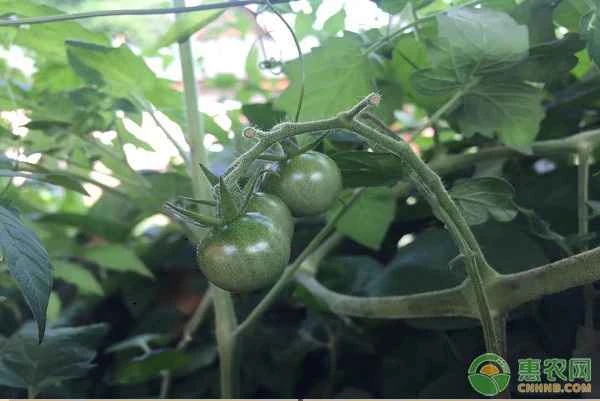
2. Influence of growth environment
For example, adverse environmental factors such as soil pollution, improper fertilization, or pesticide residues may cause tomatoes to taste bitter.
3. Excessive use of nitrogen fertilizer
Excessive application of nitrogen fertilizer can lead to excessive vegetative growth and affect the absorption of phosphorus and potassium fertilizers. This will inevitably reduce the amount of nutrients transported to the fruit, resulting in a significant reduction in the fruit's nutritional value and taste.
4. Improper watering
Tomatoes have specific water requirements; they cannot tolerate either excessive drought or excessive moisture. If tomatoes experience excessive rainfall or overwatering during the later stages of growth, especially during fruit ripening, the soil salt concentration may increase, causing the tomatoes to taste bitter.
5. Excessive use of ripening agents
Growth hormones can increase yield when used appropriately. However, excessive use will inevitably affect fruit quality, impacting taste, fruit shape, and other aspects.
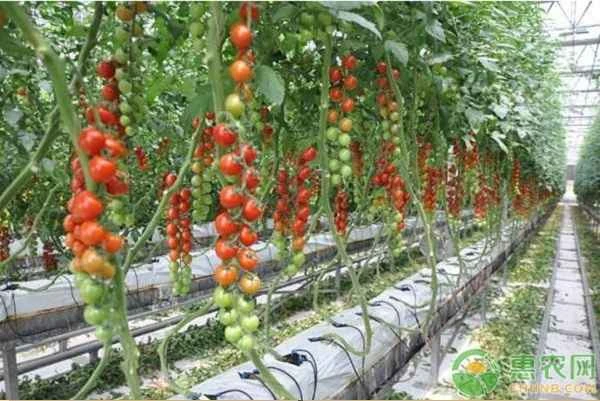
6. Immature or spoiled
Unripe tomatoes contain high concentrations of solanine , a naturally occurring bitter substance. Furthermore, spoilage caused by prolonged storage can also make tomatoes bitter.
7. Pests and diseases
Some diseases and pests, such as early blight and late blight of tomatoes, can damage leaves and affect photosynthesis. They may also cause metabolic disorders in tomatoes, producing bitter substances.