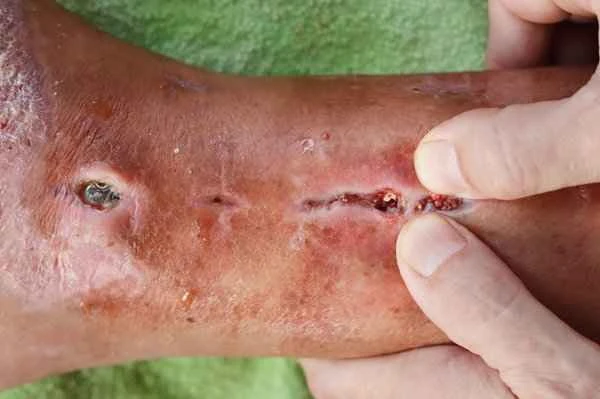
Treatment for soft keloids primarily involves various methods to alleviate symptoms and prevent further scarring. A soft keloid is an overgrowth of scar tissue that forms a soft, sometimes painful lump on the skin. Treatment typically requires a combination of medications, physical therapy, and surgery.
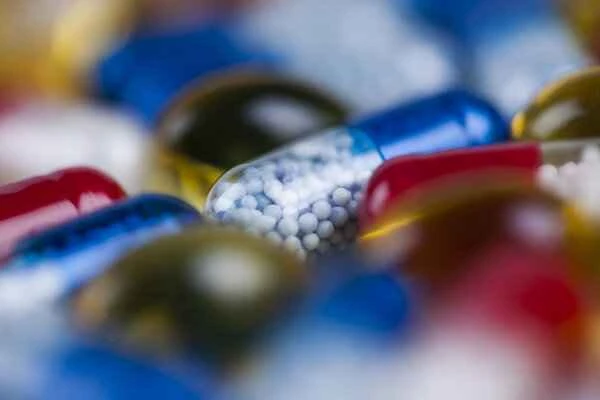
The basic principles of treating soft keloids are to reduce the growth of scar tissue, alleviate inflammation and pain, and improve the appearance of the scar. Drug therapy is one common approach, including the use of corticosteroid injections to reduce inflammation and scar tissue growth. Physical therapy, such as pressure therapy, can also help reduce the size and hardness of the scar. For some difficult-to-control keloids, surgical excision may be necessary, but the likelihood of recurrence is high, so it is often necessary to combine other treatment methods to prevent recurrence.

Patients may encounter some challenges and misconceptions when treating soft keloids. Treatment typically requires long-term adherence, and a single treatment method is often insufficient to achieve ideal results. Side effects may occur during treatment, such as skin thinning and hyperpigmentation caused by corticosteroid injections. When choosing a treatment method, patients should communicate fully with their doctor to understand the advantages and disadvantages of various treatment options in order to make the most suitable treatment decision for themselves.
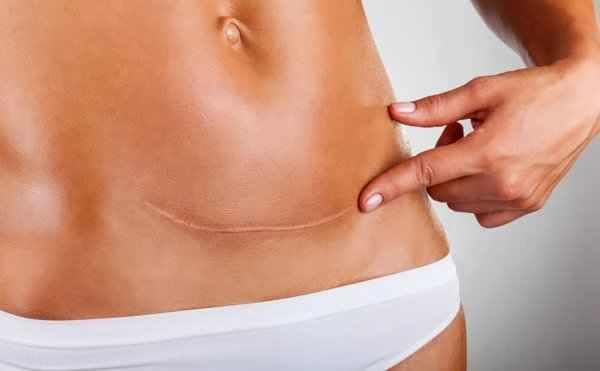
[Management Tip:]
1. Have regular scar assessments at the hospital and adjust the treatment plan according to the doctor's advice.
2. Avoid applying unnecessary pressure or friction to keloids to prevent stimulating their growth.
3. If you experience increased pain, redness, swelling, or other abnormal symptoms, you should seek medical attention promptly.