Underground pests can damage the roots of crops, preventing them from absorbing nutrients and destroying soil structure, seriously affecting crop growth. So what should you do if there are pests in the ground, and what pesticides should you use? Let's take a look.
1. What to do if there are insects in the field and what pesticides to use?
1. Organophosphorus pesticides such as phoxim and chlorpyrifos
The main pesticides include chlorpyrifos, phoxim, and phorate, all of which are now strictly controlled. Chlorpyrifos has been banned in some provinces, and phorate is prohibited from use on tea, fruit trees, vegetables , and medicinal herbs, and is also prohibited from being sprayed. Organophosphorus pesticides are more toxic and more effective against underground pests; they may be completely banned in the future.
2. Neonicotinoid pesticides such as thiamethoxam and dinotefuran
Currently, commonly used pesticides include thiamethoxam, thiamethoxam, imidacloprid, and dinotefuran. These pesticides have broad-spectrum effects, low toxicity, and strong systemic activity, but they are relatively expensive to use. They are generally applied in granular or seed-treating forms. Biphenyl·dinotefuran is currently the mainstream pesticide, with formulations such as biphenyl·dinotefuran and biphenyl·thiamethoxam.
3. Agents for controlling root-knot nematodes, such as abamectin and thiazophos.
It is mainly used to control root-knot nematodes and is widely used in vegetable and fruit tree areas. Thiazolphosphine and abamectin are both used to control root-knot nematodes.
II. 10 Effective Control Methods for Underground Pests
1. Spread medicinal soil
Mix 30 kg of 50% phoxim emulsifiable concentrate with 25-30 kg of fine soil or sand per acre, and spread the medicated soil in shallow trenches next to the roots. Apply the medicated soil by hoeing or immediately covering it with soil to prevent underground pests.
2. Clean up the fields
After the first crop is harvested, promptly remove weeds from the field to reduce hiding places and egg-laying sites for pests. During the peak emergence period of cutworm larvae in their first and second instars or before crop emergence, reduce the early food source for larvae by promptly removing weeds from the field. Remove the weeds from the field for composting or deep burial to eliminate egg-laying hosts.
3. Seed dressing with pesticides
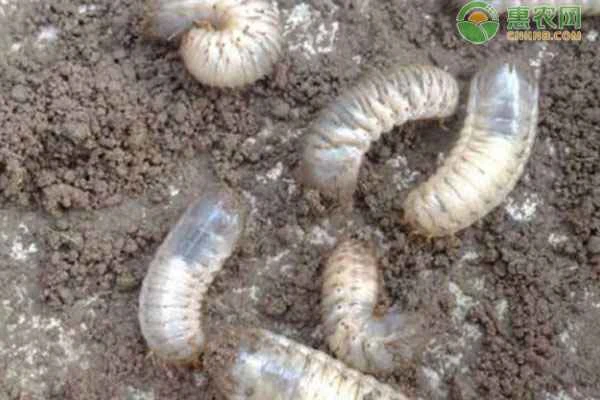
Treat seeds with a 1000-1500 times dilution of phoxim emulsifiable concentrate, pile them up and let them sit for 3-4 hours, and sow them when they are 80% dry. The effect lasts for 25-28 days and can control underground pests such as grubs, mole crickets, and wireworms.
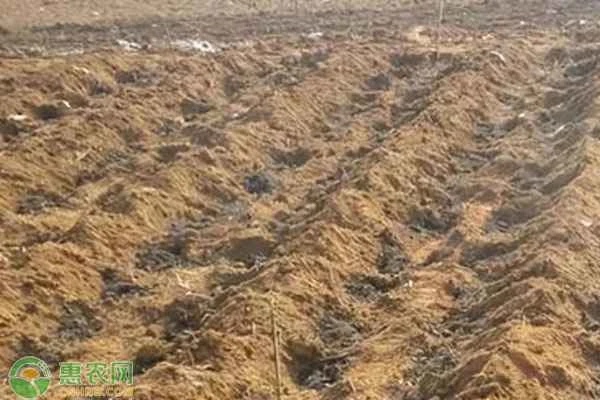
4. Root drenching with venom
In areas with high densities of underground pests, root irrigation with toxic substances can be used to control pests. For example, when crops such as peanuts, corn, and sugar beets are damaged by cutworms during the seedling stage, 50-75 grams of 40% methyl isofenphos can be mixed with 50-75 kilograms of water and applied to the roots of the seedlings starting at 4 pm. The insecticidal rate can reach over 90%, and it also controls wireworms and grubs.
5. Poisonous plant trapping
Chop vegetables or fresh grass, add 100 grams of 50% phoxim emulsifiable concentrate to 2-2.5 kg of water, and spray the mixture onto 100 kg of grass. Place the mixture in small piles in the field at dusk to lure and kill cutworms. Alternatively, soak fresh poplar branches about 1 meter long in a 50-fold dilution of 40% dimethoate solution for 10 hours, then insert 10-15 branches per acre into spring-sown crop fields at night; this method is effective in killing scarab beetles .
6. Light trap for pest control
Adult grubs, scarab beetles, and cutworms are strongly attracted to black light. Depending on the local conditions, black light can be used to trap and kill them during the peak emergence period of adults.
7. Poison baiting
① Use roasted soybean cake and wheat bran to lure and kill mole crickets. Generally, on rainless evenings, dig pits in the fields, place poisoned bait, and collect and dispose of the lured pests the next morning.
② Placing a dish (or basin) containing a "sugar-vinegar-wine mixture" can attract and kill adult cutworms. To prepare the "sugar-vinegar-wine mixture": Take 1 kg of vinegar, 0.5 kg of sugar, 7.5 kg of water, and 0.1 kg of white wine. Add 15-25 grams of crystalline trichlorfon. Mix the ingredients thoroughly and place them in a dish. Place the dish about 1 meter high in the field in the evening. Remove the dish the next morning. This will attract and kill a large number of adult cutworms.
③ Break up 2.5 kg of fresh rapeseed cake, stir-fry it in a pan until fragrant, put the stir-fried rapeseed cake in a bucket, then pour in the dichlorvos dissolved in warm water, let it sit for 3-5 minutes, and in the evening divide the poisoned bait into several small portions and scatter them in the transplanted cotton fields. The next morning, you can see the dead cutworm bodies.
8. Irrigate to kill insects
In areas where conditions permit, irrigation of farmland before spring sowing can alter soil moisture and temperature, which is detrimental to the survival of underground pests such as grubs and cutworms, potentially causing their mortality rate to exceed 90%.
9. Ground application of pesticides
A novel method for controlling cutworms using dichlorvos as a conventional pesticide is employed. The procedure is as follows: After finishing work in the evening, use a backpack sprayer to apply two buckets of water per acre, adding 8 ml of 2.5% dichlorvos to each bucket to create a 2000-fold dilution. Stir well and spray the solution evenly over the entire area. When cutworm larvae emerge to damage seedlings, they encounter the pesticide, resulting in a multi-pronged attack of contact, fumigation, and stomach poison, maximizing the pesticide's effectiveness. All cutworm larvae are poisoned, leading to excellent results.
10. Manual capture
Using the feigned death of scarab beetles to swat them reduces the occurrence of grubs in the soil and protects trees from damage. When cutworms occur in patches, shoveling them through the soil is effective. Manual capture can also reduce the damage caused by mole crickets.