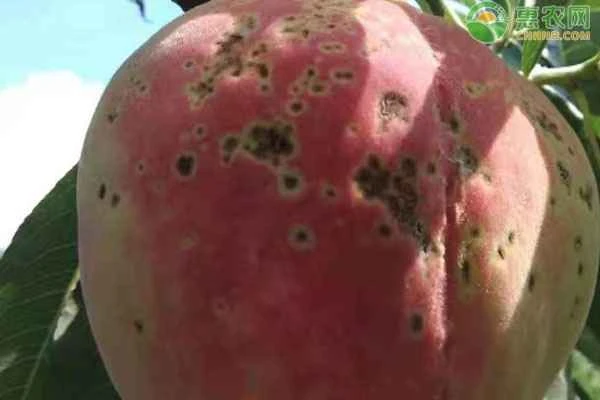
Calcium ammonium nitrate is a new type of high-efficiency compound fertilizer containing nitrogen and fast-acting calcium. It has a fast fertilizer effect and can quickly replenish nitrogen. It also contains calcium, making its nutrients more comprehensive than ammonium nitrate. Plants can directly absorb it. So how long does the fertilizer effect of calcium ammonium nitrate last? Let's take a look.
1. How long does the effect of ammonium calcium nitrate fertilizer last?
1. The fertilizer effect of calcium ammonium nitrate generally lasts for about 2-3 days. It can be used in spring and autumn. It can be used as a base fertilizer or as a top dressing. When using it, you can choose to apply it by fertigation, spraying, broadcasting or drip irrigation.
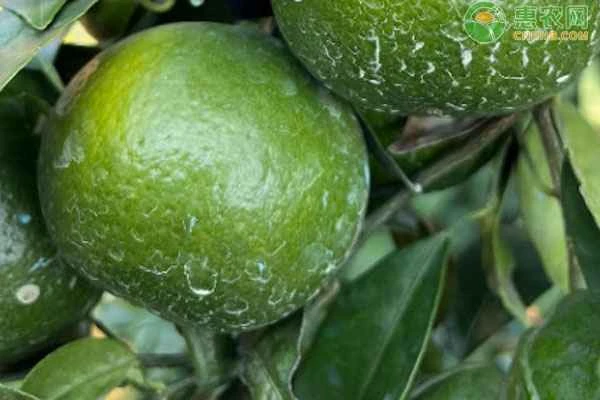
2. The duration of the fertilizer effect of ammonium calcium nitrate fertilizer is mainly related to soil and weather conditions. For example, the more rainfall or irrigation water, the shorter the fertilizer effect will be, and the stronger the sandiness of the soil, the shorter the fertilizer effect will be.
3. If using drip irrigation or spraying, it is recommended to dilute it with 800-1000 times the amount of water before application. The low concentration can effectively avoid fertilizer damage and allow the plant to absorb it better.
II. Scope of Application of Calcium Ammonium Nitrate
Calcium ammonium nitrate can be widely used on fruit trees such as apples, pears, peaches, dates, apricots, lychees, longans , bananas, citrus fruits, pineapples, and grapes. It is also suitable for various crops including watermelons, cucumbers, zucchini, eggplants, peppers, strawberries, Chinese cabbage, cabbage, spinach, celery, and leeks. It can prolong the flowering period, promote normal growth of roots, stems, and leaves, ensure vibrant fruit color, and increase fruit sugar content, making it a highly efficient and environmentally friendly green fertilizer . It can also improve soil structure, increasing granularity and preventing soil compaction.
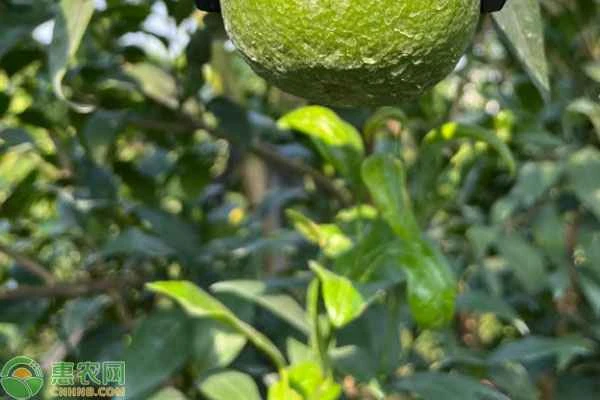
III. Instructions for using calcium ammonium nitrate
1. Application of base fertilizer and top dressing
(1) Fruit trees: Pear, peach, jujube, apricot, lychee, longan, banana, citrus, pineapple, grape and other fruit trees. Apply once after harvesting in autumn and once before sprouting in spring. Apply 25-30 kg per mu in a trench 1 meter around the fruit trees to quickly supplement the nitrogen and calcium required for the growth of fruit trees and effectively alleviate calcium deficiency in fruit trees.
(2) Use of solanaceous and cucurbit vegetables : Watermelon, cucumber, zucchini, eggplant, pepper, strawberry and other crops are used as base fertilizer. Apply 20-25 kg per mu as base fertilizer. In the early flowering stage, apply 20-25 kg per mu each time as top dressing. This can effectively prevent calcium deficiency and quickly replenish nutrients.
(3) Leafy vegetables: Chinese cabbage, cabbage, spinach, celery, leeks and other vegetable crops can be used as base fertilizer. Apply 15-20 kg per mu as base fertilizer. During the vigorous growth period of the stems and leaves, apply 15-20 kg per mu each time as top dressing. This can prevent the occurrence of dry heart and quickly replenish nitrogen and calcium.
2. Foliar spraying
(1) Fruit tree application: Apple, pear, peach, jujube, apricot, lychee and other fruit trees can be sprayed with 500 times diluted ammonium calcium nitrate solution before flowering or during the young fruit stage. This can quickly supplement nitrogen and calcium and prevent the occurrence of various diseases caused by calcium deficiency, such as pox, bitter pit, fruit shrinkage and water core.
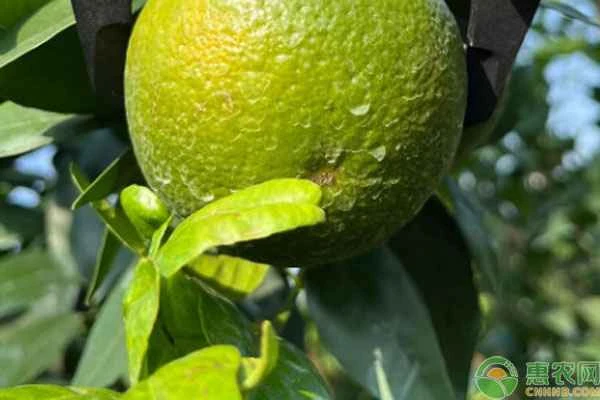
(2) Application in root and stem vegetables: For crops such as mustard greens, radishes, garlic, onions, and peanuts, a 500-800 times dilution of calcium ammonium nitrate solution can be sprayed at the early stage of root and stem growth. Spray once every 7-8 days to prevent various physiological diseases caused by calcium deficiency, such as flower tipping, leaf edge drying, root blight, and blossom-end rot.