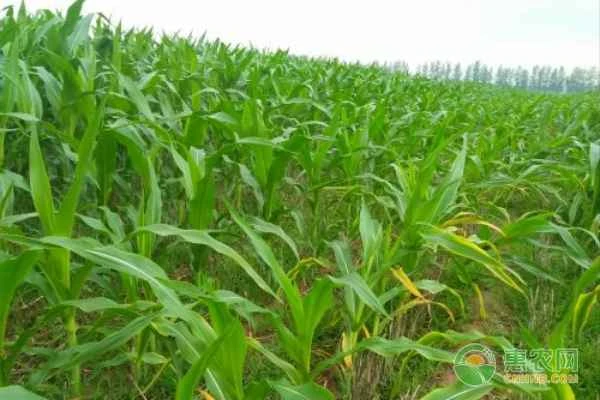
The tasseling stage of corn is a period of rapid and vigorous growth, and it is also a crucial period that determines the later yield and quality of corn. Generally, when the corn has grown to 13-14 leaves, and the three leaves of the cob have grown into a shape resembling a large trumpet, it is called the large trumpeting stage.
1. Corn planting period
Corn typically enters the small trumpet stage about 35-40 days after sowing and emergence, and the large trumpet stage about 45-50 days after sowing and emergence.
However, it's important to note that early/mid/late-maturing corn varieties, as well as differences in temperature, water, and fertilizer conditions, and varying growth rates, will result in different times when corn enters the large and small trumpet stages. This period is crucial for both vegetative and reproductive growth, determining the number of rows and kernels per ear and reducing tip barrenness.
2. Corn growing months
Corn typically enters the small trumpet stage around the end of June to the beginning of July, and the large trumpet stage around the end of July to the beginning of August.
Similarly, depending on the province, region, climate, and variety characteristics of corn cultivation, the timing of corn entering the large and small trumpet stages will vary.
3. Number of corn leaves
Generally, mid-to-late maturing corn is in the small trumpet stage when it has 7-10 leaves. When the total number of fully extended leaves on the corn seedling is ≥7, the total number of clearly visible leaves is ≥10, or when the corn grows to 7 leaves and 1 heart, the corn has entered the small trumpet stage.
Generally, corn reaches the large trumpet stage when it has 11-14 leaves. When the total number of fully extended leaves on the corn seedling is ≥11, the total number of clearly visible leaves is ≥14, or the corn grows to 9 leaves and 1 heart, the corn has entered the large trumpet stage.