Grass carp is a common type of fish, and many people raise it. However, improper management during grass carp farming can easily lead to diseases. So, what disease causes grass carp to turn black? Let's find out below.
1. Hemorrhagic diseases
The pathogen causing hemorrhagic disease in grass carp is grass carp reovirus. Infected fish will turn black, especially on their heads. Some fish will lose their appetite, while others will eat normally but will die every day.
Prevention and control methods: Dissolved oxygen is fundamental for aquaculture , and increasing oxygen levels is crucial for improving yield and profitability. Ponds with excessive mud, low dissolved oxygen, and severe odor indicate the accumulation of toxins, necessitating bottom improvement. After the onset of disease, a pure traditional Chinese medicine formula combining Gill Rot Relief + Liver and Gallbladder Relief + Yinqiao Banlangen Powder can be used for treatment, resulting in a complete cure within 5-7 days.
2. Aconitum carmichaelii
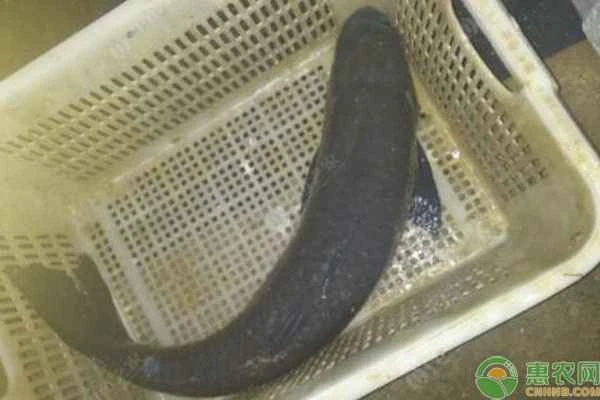
Grass carp tussock disease is a common disease. Infected fish turn black, especially their heads. Fishermen in Jiangsu and Zhejiang provinces call it "tussock disease". Affected fish will swim alone at the edge of the pond or float on the surface. They are sluggish, have difficulty breathing, and have a reduced appetite. In severe cases, they will leave the group and swim alone at the surface, stop eating, and lose response to external stimuli.
Prevention and control methods: Since the feces of herbivores are a breeding ground for slime bacteria, fish ponds must be fertilized with fermented manure. For treatment, add 20-30 grams of oxytetracycline and 16-20 grams of norfloxacin per 100 kg of feed , feeding continuously for 3-5 days. For external use, you can choose bactericide/disinfectant (0.2 mg/L) and 009 Sukang (2 mg/L), applying approximately twice.
3. Enteritis
Enteritis is caused by factors such as uneven or unsanitary feeding, or incomplete pond cleaning, leading to bacterial infection of the fish. Symptoms include inflammation and congestion of the fish's intestines, which turn pink, red, or even purple. In the early stages, infected fish will isolate themselves from the group, swim slowly, lose their appetite, become unresponsive to external stimuli, and eventually die from refusing to eat.
Prevention and control methods: Regularly disinfect the water body and feeding platform, and deworm. During peak seasons for fish diseases, it is also appropriate to add some immune-boosting drugs to the feed, such as multivitamins and immune polysaccharides.
4. Red skin disease
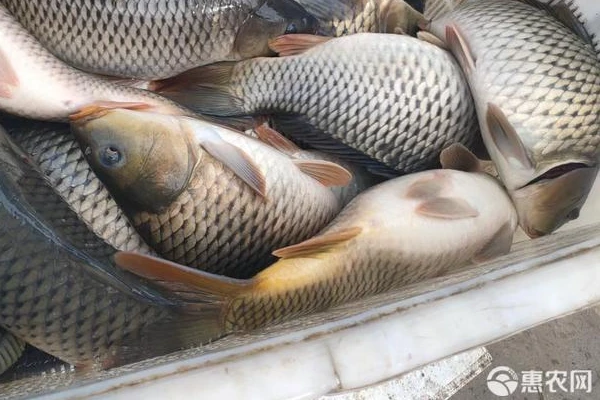
Red spot disease, also known as hemorrhagic septicemia or red spot plague, generally occurs when the fish's body surface is damaged. If the fish's surface is undamaged, the virus cannot invade the fish's skin. It is prevalent throughout the four seasons of the year, and is more likely to occur after transportation or fishing. It often occurs as a complication with enteritis and gill rot.
Prevention and control methods: The main focus is on transportation and avoiding damage to the fish during fishing. Once the disease occurs, disinfectant and antibacterial drugs can be used.