July is just around the corner, and proper management during this period has a significant impact on the yield and quality of kiwifruit . This time of year is characterized by high temperatures and heavy rainfall, so it's crucial to guard against fungal diseases affecting kiwifruit. So, what causes spots to appear on kiwifruit? Let's take a look.
1. What causes spots to appear on kiwifruit?
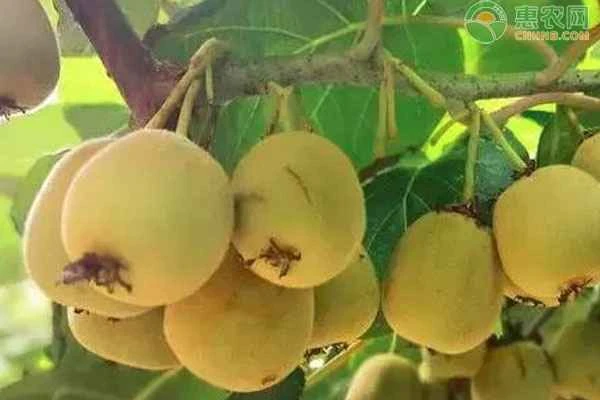
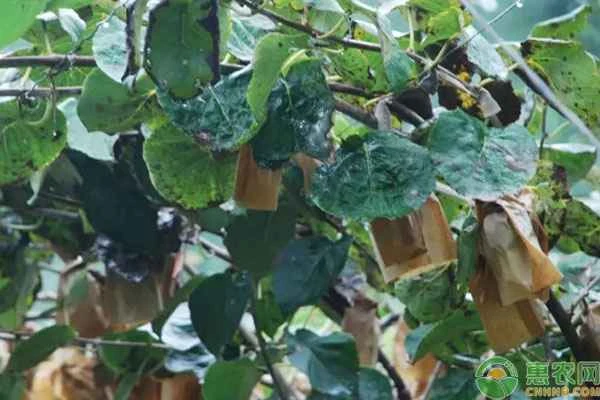
Spots on kiwifruit may indicate brown spot disease, a fungal disease that primarily affects leaves, but also branches and fruit. The disease typically begins at the leaf margins, initially appearing as small, dark green, water-soaked spots. These spots then spread along the margins or inwards, merging to form large, irregular brown patches. In high temperatures, the spots turn yellowish-brown, and affected leaves curl upwards, crack, dry out, and fall off. Under high humidity and rainy conditions, the disease spreads rapidly, causing mold and rot, and the spots turn from brown to black. When the fruit surface is infected, small light brown spots appear, eventually forming irregular brown patches, leading to flesh rot and peel drying out.
II. Conditions for the onset of brown spot disease
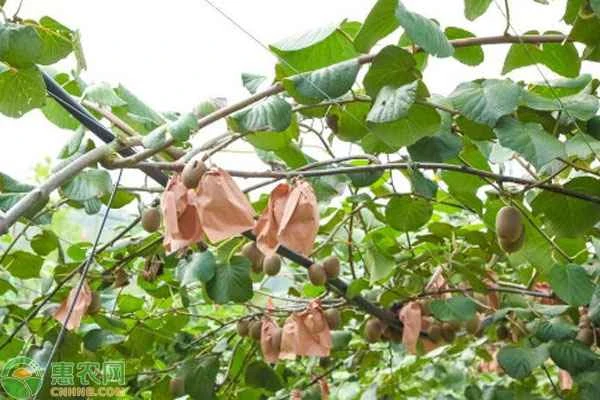
Rainfall is a major condition for the development and occurrence of diseases. Orchards with low-lying terrain, high groundwater levels, and poor drainage are more severely affected. Poor ventilation and light penetration also contribute to disease outbreaks. Excessive humidity can also lead to large-scale disease outbreaks. Orchards with poor management practices are more prone to disease outbreaks.
III. Prevention and Treatment of Brown Spot Disease
1. Strengthen the management of soil, fertilizer and water in the orchard.
(1) Apply organic fertilizer heavily to improve soil and enhance soil fertility;
(2) Load the tree appropriately according to its vigor, leave an appropriate amount of fruit, and maintain a healthy tree vigor;
(3) Scientific shaping and pruning, paying attention to summer pruning, and maintaining ventilation and light penetration in the orchard;
(4) Summer is a high-temperature and high-humidity season, which is the peak season for diseases. Irrigation and drainage should be controlled to reduce humidity and reduce the severity of disease.
2. Winter garden cleaning
Remove diseased branches and leaves, and bury them together with fallen leaves for use as organic fertilizer . Then spray with lime sulfur solution at 5 Baume degrees to kill pathogens on the branches and vines.
3. Chemical control
It is recommended to spray 80% propineb at 1000 times dilution (Haozintai) before the onset of the disease. In the early stage of the disease, use Lantai or 30% propiconazole at 3000 times dilution to prevent and control brown spot disease. During the disease occurrence period, use 45% Fuxing, 80% tebuconazole, 60% thiabendazole, propiconazole, etc. for control.
IV. Precautions for Brown Spot Disease
1. Avoid using copper-containing fungicides and Bordeaux mixture in rainy, hot, foggy, or dewy conditions to prevent phytotoxicity.
2. Avoid applying pesticides during periods of high temperature. Apply pesticides after 5 p.m. and before 10 a.m. to ensure the safety of crops and operators.
3. Strictly follow the safe medication operation guidelines and do a good job in safety protection.