Agricultural and rural infrastructure development is a fundamental element of rural revitalization . In particular, it is crucial to address shortcomings in rural infrastructure and promote interconnectivity between urban and rural infrastructure, thereby effectively driving rural economic development. So, what does rural infrastructure development include? Details are as follows:
1. Agricultural production infrastructure
This mainly refers to the construction of modern agricultural bases and farmland irrigation. Modern agricultural bases refer to agricultural bases with high-standard land, standardized planting, modern equipment, and a complete industrial chain; while rural irrigation construction involves building water conservancy facilities to serve farmland, including irrigation, drainage, flood control, and prevention of salinity and waterlogging disasters, to create basic farmland that is drought- and flood-resistant and has stable high yields.
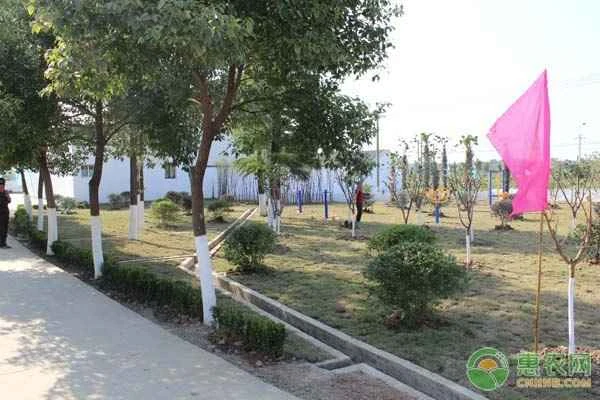
2. Rural living infrastructure
This mainly refers to the construction of infrastructure such as drinking water safety, rural biogas, rural roads, and rural electricity. Examples include rural power grids, garbage treatment plants, sewage treatment facilities, drinking water facilities for people and livestock, and heating and gas supply facilities—facilities that provide services for the lives of the vast rural population.
3. Ecological Environment Construction
This mainly refers to improving and protecting the natural environment through various measures to ensure the balance and health of the ecosystem. This includes protecting air, water, land, vegetation, and other aspects. Common measures include planting trees and grass, controlling soil erosion, preventing desertification, and developing ecological agriculture.
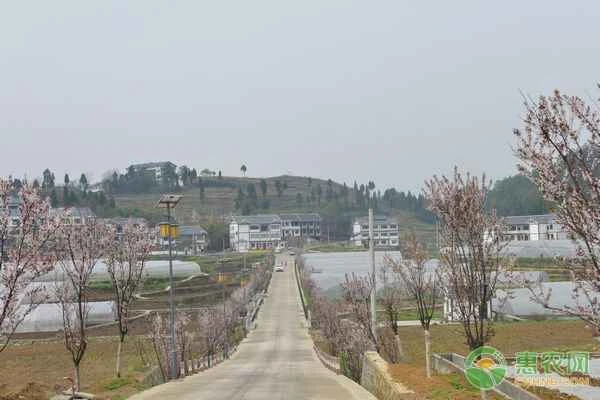
4. Rural social development infrastructure
This mainly refers to infrastructure development that benefits rural social undertakings, including facilities for rural education, culture, health, medical care, and sports. Examples include cultural reading rooms, sports venues, village clinics, and the construction of village primary schools.