While succulents are quite drought-tolerant, this doesn't mean they don't need water. Mastering the correct watering methods is crucial for their healthy growth. So, what are the three key points for watering succulents? Let's find out below.
What are the three key points for watering succulents?
The three key points for watering succulents are: don't let them dry out in spring and autumn (during their vigorous growth period), control watering in winter (water only when the soil is completely dry), and water less in summer (water less during their dormancy period).
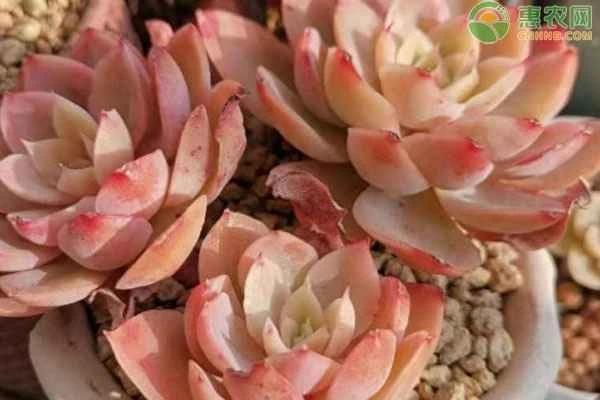
What are the key points for watering succulents?
1. Water quality selection
When watering succulents, tap water is the most common and convenient choice, but it's important to remove the chlorine beforehand. If possible, collecting rainwater is the best option. Of course, well water or spring water with good quality can also be used as an irrigation source for succulents.
2. Watering timing
The best time to water is in the morning or evening, when the temperature is relatively low and water evaporates slowly, allowing succulents to absorb the nutrients more effectively. Avoid watering under strong afternoon sunlight to prevent leaf burn.
3. Watering frequency
The watering frequency should be determined based on the dryness of the soil and the growth status of the plant. During spring and autumn, when succulents grow vigorously, watering frequency can be increased appropriately. Reduce watering during the high temperatures of summer, and further reduce it during the winter dormancy period.
4. Watering method
(1) Pouring along the edge of the pot: Prepare a pitcher with a pointed spout and slowly pour water along the edge of the pot in circles. Make sure to water thoroughly.
(2) Boiling method: Find a container or bucket, fill it with water, put the succulent pot in, let the water drain from the bottom and replenish the soil moisture from bottom to top, and take it out when the surface of the potting soil is slightly wet.
(3) Spraying method: Spraying is more of an auxiliary method. A sprayer can be used to spray water mist evenly on the plants to provide an appropriate amount of water.