Lychee is a very popular fruit , known for its sweet and juicy flesh, and it is grown in many regions. If you'd like to grow lychees, what season is best for planting them? Let's find out below.
What season is best for planting lychees?
The best time to cultivate lychees is in early spring and around the beginning of autumn, generally in mid-March and early October. At this time, the temperature is suitable, the survival rate of the plants is high, and they grow quickly.
Methods of growing lychees
1. Soil selection
Lychee trees have relatively demanding soil requirements. They need fertile, loose, deep, and well-drained soil. Before planting lychee trees, it's best to till the soil and add a small amount of compound fertilizer to increase soil nutrients and promote plant health.
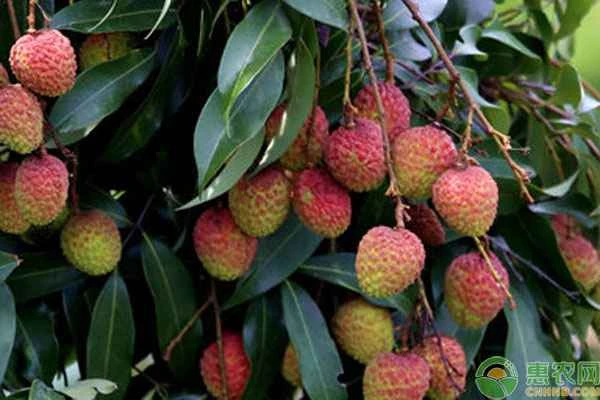
2. Planting
Planting can be done in wide rows with narrow rows or in a near-square pattern. The planting density can be determined based on the orchard conditions and cultivation management. When planting, be careful when filling the soil, and avoid trampling on it to prevent root breakage. Generally, the soil should be about 10cm higher than the root collar. Then water thoroughly to settle the roots, and then water appropriately to keep the soil moist until the plant is established.
3. Fertilizer Management
Fertilization can begin one month after planting. For the first two to three years, focus on increasing root mass, promoting shoot growth, and strengthening shoots. Follow the principle of "one shoot, two fertilizations" or "one shoot, three fertilizations": when the terminal buds of the shoots begin to sprout, apply nitrogen-based, fast-acting fertilizer to promote rapid shoot growth. When shoot growth stops and the leaves turn from red to green, apply a second fertilizer to promote greening of the new shoots. After the new shoots have turned green, apply a third fertilizer to accelerate shoot maturation.
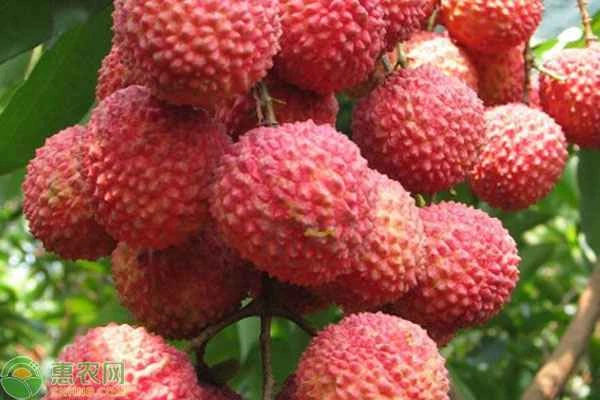
4. Water Management
Young lychee trees have few and shallow roots, making them highly susceptible to changes in topsoil moisture. In dry soil and atmospheric conditions, it is important to pay attention to watering to maintain soil moisture. During the rainy season, prevent waterlogging in the planting hole; for sunken trees, raise the planting position appropriately to facilitate normal growth. Lychee trees require ample water during the autumn shoot emergence period, a smaller amount of water during the flower spike emergence period, and more water during fruit growth and development. In case of drought, irrigate promptly to keep the soil moist.
5. Shaping and pruning
Lychee saplings should be trained into a multi-leader natural round-headed shape or a multi-leader natural semi-round-headed shape within 2 to 3 years after planting. The main trunk should be 40-60cm high, and 4-6 evenly distributed main branches should be selected, with the angle between the main branches and the trunk ideally between 45° and 60°. For each main branch, select 3-4 secondary branches approximately 30cm from the trunk. Following the training method for secondary branches, cultivate fruiting branch groups at each level sequentially, using methods such as pulling, budding, and hanging to adjust the growth angle and orientation of the branches.