Corn is a staple crop grown in many regions. It has many uses; you can eat the young corn kernels or make cornmeal buns, among other things. Many people don't know why corn kernels have thorns. Let's find out.
Why do corn kernels have thorns?
Generally, the thorns on corn kernels are likely corn silk . During the growth and development of corn, each seed has a pistil, which is called corn silk. The thorns on the corn kernels are the pistil base scars left by incomplete seed development. Such corn is generally not edible.
Corn growing season
1. Seedling stage
When corn seeds are buried in the soil, and the outside temperature is above 8 degrees Celsius, the moisture content is around 60%, and the ventilation conditions are suitable, they will generally germinate in 4-6 days.
2. Three-leaf stage
The three-leaf stage is the first turning point in the life cycle of corn. Corn shifts from an autotrophic to a heterotrophic lifestyle, and the nutrients stored in the seed are depleted. This is called the "weaning stage," which is the first stage of corn seedlings .
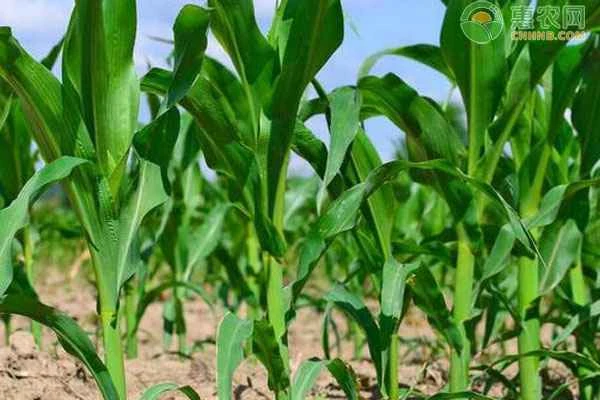
3. Jointing stage
Jointing is the second turning point in the life of corn. Due to the underdeveloped root system and leaves, the absorption and production of nutrients are limited, and the seedling grows slowly, mainly focusing on the growth of roots and leaves and the differentiation of stem nodes.
4. Small trumpet mouth period
The female ear enters the elongation stage, the male ear enters the floret differentiation stage, and the leaf age index is around 46.
5. The period of the large trumpet mouth
The large trumpet stage is a stage in which vegetative and reproductive growth proceed simultaneously. At this time, the 11th leaf of the corn unfolds, and the large upper leaf is very prominent, resembling a large trumpet. The plant is 60% formed, and the tassel florets differentiate. This is a critical period for the formation of the number of kernels in the corn ear.
6. Ejaculation period
This marks the transition of corn from vegetative growth to reproductive growth, a critical period for corn yield, and also the period of fastest growth and development with the highest demands in all aspects.
7. Flowering period
This is the period when corn is most sensitive to high temperatures. To mitigate the damage caused by high temperatures to corn, measures such as irrigation to cool the corn, artificial pollination, and foliar fertilization can be implemented if conditions permit.
8. Silk-drawing period
Generally, the filaments elongate 1 to 5 days after the male flower begins to bloom, and their fertilization capacity can be maintained for about 7 days, with the strongest fertilization capacity 2 to 5 days after silking. The vigor of the style declines 7 to 9 days after silking, and almost loses its fertilization capacity after 11 days.
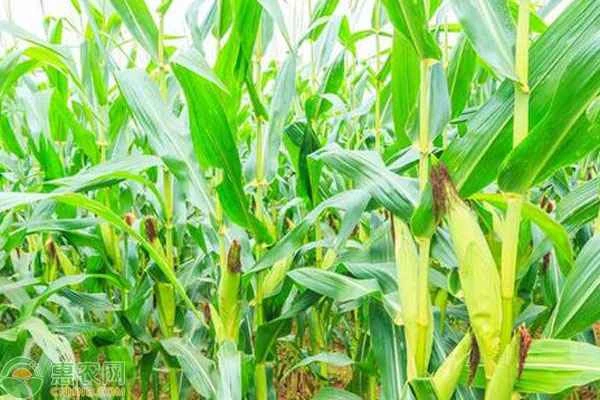
9. Grain formation period
Corn undergoes a double fertilization process. After fertilization, the ovary takes 40-50 days to grow and develop, increasing in size by about 1400 times to become a kernel. The embryo and endosperm take 35-40 days to complete their development and accumulate nutrients. During the remaining time, they lose water and dry out, developing into a seed.
10. Milk maturity period
From the early milk stage to the early wax stage. Generally, it takes about 20 days for medium-maturing varieties, about 22 days for medium-late maturing varieties, and about 24 days for late maturing varieties, starting from about 24 days after pollination to around 45 days later.
11. Wax ripening period
From the early waxy ripening stage to full ripening. Generally, medium-ripening varieties need about 15 days, medium-late ripening varieties need about 16-17 days, and late ripening varieties need about 18-19 days, starting from 45 days after pollination and ending at 63-64 days.
12. Maturity period
After wax ripening, dry matter accumulation has stopped, and the main process is dehydration, with grain moisture dropping to 30%-40%. The base of the embryo reaches physiological maturity, the crown is removed, and a black layer appears, indicating full maturity.