Red keloids, medically known as hypertrophic scars or keloids, are an abnormal proliferation phenomenon during the skin healing process. To address the problem of red keloids, it is first necessary to understand their formation mechanism and treatment methods.
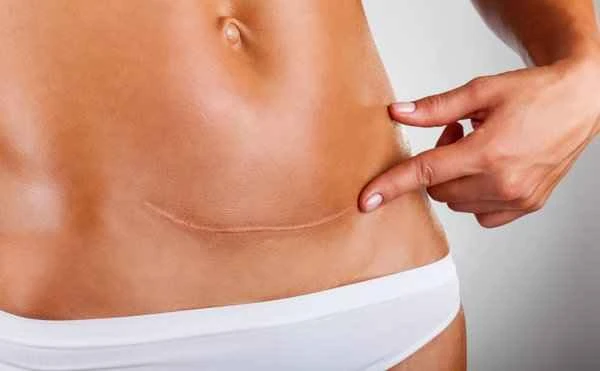
Keloids are often associated with over-repair after skin injury. When the skin is traumatized, the body repairs the wound by increasing collagen production. In some cases, this repair process can get out of control, leading to excessive collagen production and the formation of a larger, red keloid than the original wound. Treatment for red keloids varies, including medication, physical therapy, and surgery. Medication typically uses corticosteroids, administered via local injection, to reduce inflammation and scar tissue formation. Physical therapies such as pressure therapy and radiation therapy can reduce the size and color of keloids. Larger or more difficult-to-treat keloids may require surgical excision, but post-operative treatment may require combination of other therapies to prevent recurrence.
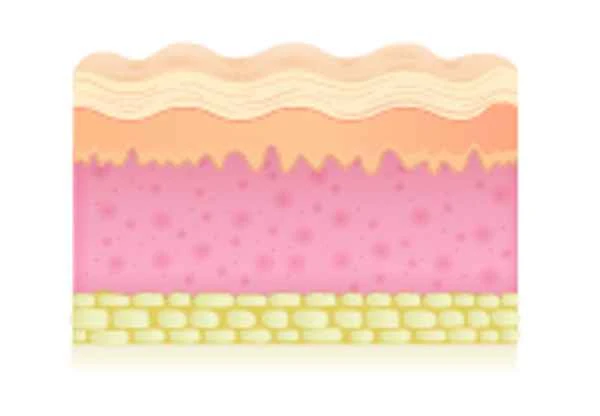
In treating red keloid scars, patients may encounter some treatment risks and misconceptions. Over-reliance on a single treatment method may lead to poor treatment results. Some patients may mistakenly believe that all keloid scars can be eliminated with simple medication, but in reality, for some stubborn keloid scars, a combination of treatment methods may be necessary to achieve better results. Side effects may occur during treatment, such as thinning of the local skin and hyperpigmentation; therefore, a comprehensive consideration is needed when choosing a treatment method.
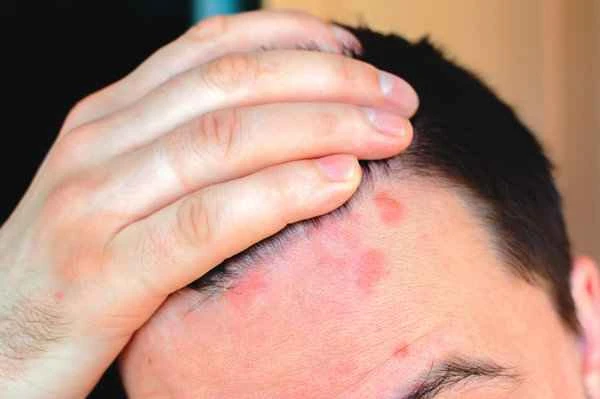
[Management Tip:]
1. Have regular skin checkups and pay attention to changes in keloids.
2. Avoid excessive rubbing or irritation of the keloid area.
3. Choose appropriate treatment methods under the guidance of a doctor and avoid self-medication.