Bleeding from frozen fish bones usually doesn't have serious consequences, but it needs to be handled properly to avoid infection.

If a frozen fishbone pierces the skin and causes bleeding, it's important to understand that the fishbone itself is sterile. The bleeding is primarily due to the fishbone breaking the skin, causing injury. Human skin is the first line of defense against external bacteria; once the skin is broken, bacteria can enter the body and cause infection. While the fishbone itself won't directly lead to serious consequences, proper wound care after bleeding is crucial.

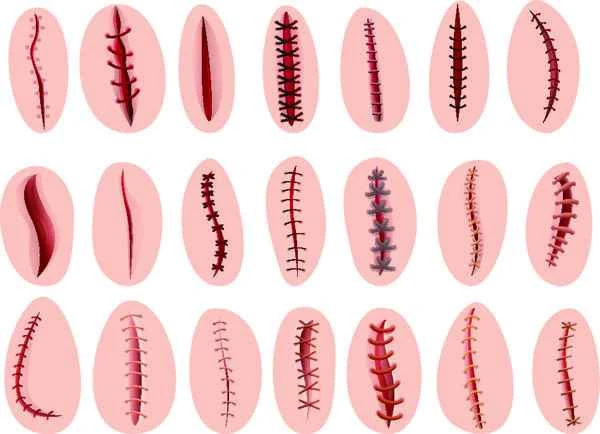
To prevent infection, the correct approach is to immediately rinse the wound with clean water to remove any remaining fishbone fragments and contaminants. Then, disinfect the wound with a disinfectant (such as povidone-iodine) to effectively kill bacteria around the wound and reduce the risk of infection. If the wound is large or bleeding is persistent, seek medical attention promptly for professional treatment.
[Safety Tips]
1. Immediately rinse the wound with clean water to remove contaminants.
2. Disinfect the wound with disinfectant.
3. Observe the wound condition; if any abnormalities are found, seek medical attention promptly.