Treatment for back shingles primarily involves medication, skin care, and supportive therapies to alleviate symptoms, accelerate healing, and prevent complications. Shingles is caused by the varicella-zoster virus (VZV), which remains dormant in nerve cells after the initial infection. When immunity weakens, the virus is reactivated, triggering shingles. The goals of treating back shingles are to relieve pain, reduce inflammation, accelerate rash healing, and prevent the spread of the virus.

Treatment for back shingles typically includes antiviral medications, pain relievers, topical treatments, and supportive therapies. Antiviral medications such as acyclovir, famciclovir, or varacillovir can suppress viral replication, shorten the course of the disease, and alleviate symptoms. Pain relievers such as nonsteroidal anti-inflammatory drugs (NSAIDs) or opioids can relieve pain. Topical treatments include using antipruritic creams or cold compresses to relieve skin symptoms. Supportive therapies such as physical therapy or psychological support can help patients better cope with the psychological stress associated with the disease.
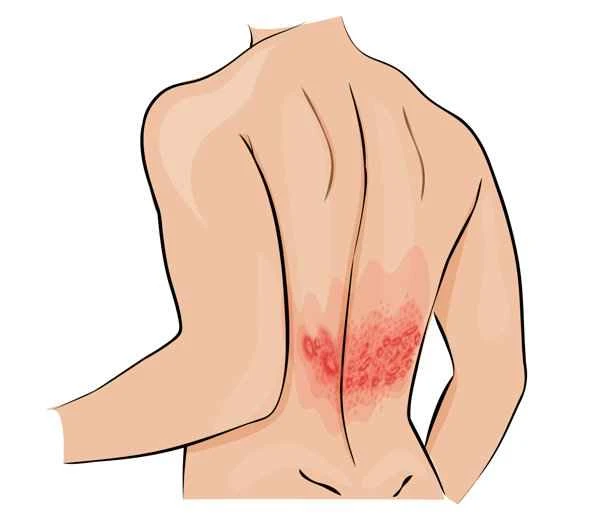
When treating shingles on the back, it's important to be aware of potential risks and common misconceptions. Timing of treatment is crucial; early use of antiviral medications can significantly improve prognosis. While shingles usually heals on its own within a few weeks, untreated shingles can lead to serious complications such as postherpetic neuralgia (PHN), a chronic painful condition that can last for months or even years. Avoid self-medication during treatment to prevent unnecessary side effects or drug interactions. Finally, maintain good personal hygiene during treatment and avoid close contact with people who have not had chickenpox to reduce the risk of viral transmission.

[Management Tip:]
1. Use antiviral drugs, such as acyclovir, as early as possible to relieve symptoms and speed up healing.
2. Maintain good personal hygiene and avoid close contact with people who have not had chickenpox.
3. If persistent pain or other serious symptoms occur, seek medical attention promptly for further treatment.