Treatment for itchy scalp dandruff primarily involves controlling sebum secretion, removing dead skin cells, reducing fungal growth, and alleviating inflammation. In treating dandruff, it's essential to understand its causes in order to take effective measures to relieve symptoms.
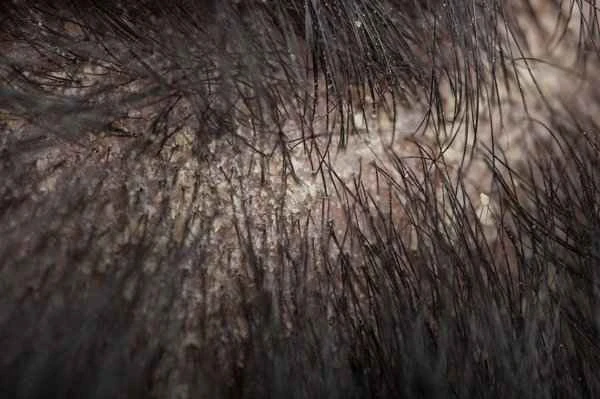
Dandruff is related to factors such as excessive scalp oil secretion, impaired skin barrier function, and excessive fungal growth. The core of treating itchy scalp with dandruff lies in adjusting the scalp environment, inhibiting fungal growth, and reducing inflammation. Using shampoos containing specific active ingredients is a common method for treating dandruff. For example, shampoos containing ketoconazole, selenium sulfide, coal tar, or selenium sulfide can inhibit fungal growth, reduce scalp oil secretion, and promote scalp health. Keeping the scalp clean, avoiding the use of harsh shampoos, and maintaining good lifestyle habits also help relieve itchy scalp symptoms.
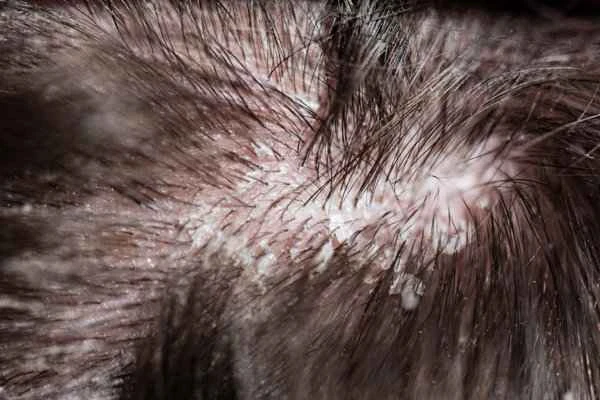
When treating dandruff, it's important to note that everyone's scalp condition and reaction are different, so individual differences must be considered when choosing a treatment method. Some people may be allergic to certain ingredients, and using shampoos containing these ingredients may cause skin irritation or allergic reactions. Long-term use of certain shampoos may lead to drug resistance on the scalp, so it's recommended to change shampoo brands regularly to avoid this problem. During dandruff treatment, frequent scratching of the scalp should also be avoided to prevent aggravating inflammation and scalp damage.
[Management Tips]
1. Use shampoos containing ingredients such as ketoconazole, selenium sulfide, coal tar, or selenium sulfide.
2. Keep your scalp clean and avoid using harsh shampoos.
3. Change your shampoo brand regularly to avoid drug resistance issues.
4. Avoid scratching your scalp frequently to prevent aggravating inflammation and scalp damage.
![100 Baking Plans [038] Canelé Recipe](/upload/20260210/78d858ce1dc975.webp)