Treatment of depressed scars refers to improving the state of skin depression through various methods, restoring the skin to its smoothness and appearance.
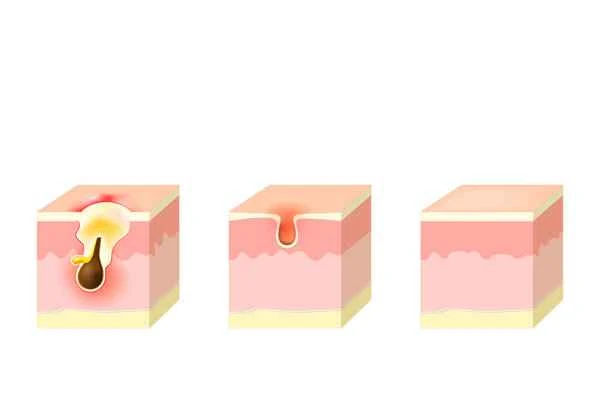
The core of treating depressed scars lies in stimulating the skin's self-repair ability through physical or chemical means, promoting collagen production, and thus filling the depressions. Common treatment methods include laser therapy, microneedling, chemical peels, and dermal filler injections. Laser therapy uses high-energy lasers to act on the skin, promoting collagen regeneration and improving the appearance of depressed scars. Microneedling uses tiny needles to stimulate the skin, prompting the production of new collagen to repair depressed scars. Chemical peels use specific chemicals to remove the surface layer of the skin, promoting the growth of new skin and thus improving depressed scars. Dermal filler injections involve injecting fillers, such as hyaluronic acid or autologous fat, into the depressed scar area to directly fill the depressions and restore smooth skin.
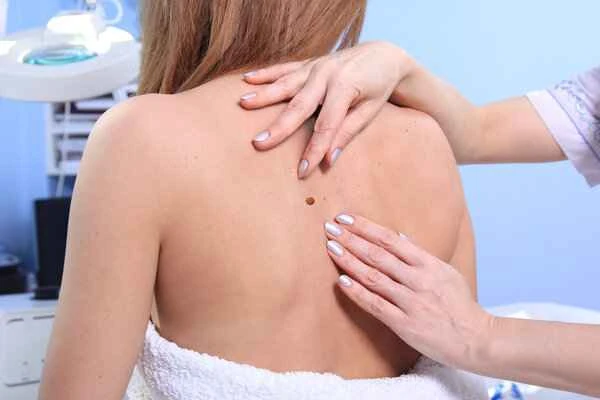
During the treatment of atrophic scars, patients need to understand that treatment results may vary from person to person, and multiple treatment sessions may be required to achieve the desired effect. Some side effects may occur during treatment, such as skin redness, swelling, pain, or pigmentation. These side effects usually subside gradually over time after treatment. When choosing a treatment method, patients should communicate fully with their doctor to understand the advantages and disadvantages of various treatment methods and make a choice based on their own specific circumstances.
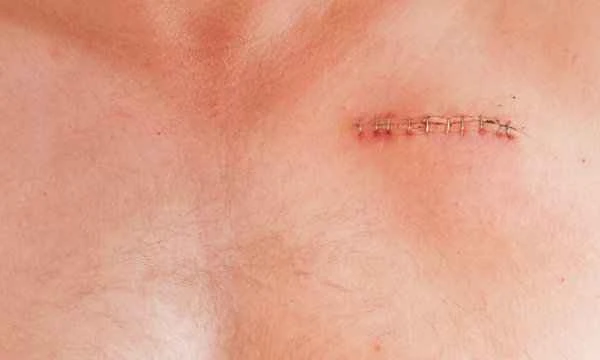
[Management Tip:]
1. Have regular skin checkups to detect changes in pitted scars promptly.
2. Choose an appropriate treatment method and undergo treatment under the guidance of a doctor.
3. After treatment, pay attention to skin care, avoid sun exposure, and use sunscreen to protect your skin.
4. If adverse reactions occur after treatment, seek medical advice promptly.