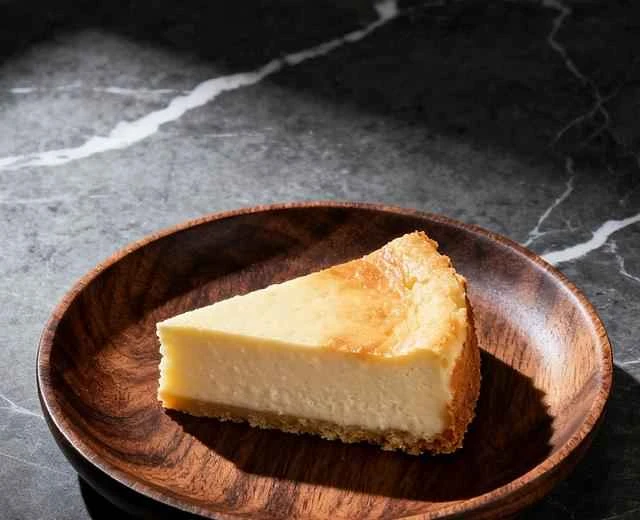
Because it's simple, cheesecake is a very interesting challenge to explore. From ingredient selection to recipe, even the slightest change in the process will be reflected in the finished product. Challenging yourself to create your own ultimate cheesecake and experimenting with different methods is a lot of fun. 【Cream Cheese】Cream cheese varies in origin, acidity, fat content, salt content, and firmness depending on the manufacturer. Even with the same recipe, the taste will change depending on the type of cream cheese chosen. 【Dairy Products】There are four types of dairy products that can be added to cheesecake: milk + butter, heavy cream, plain yogurt, and sour cream. Different combinations can create your own favorite flavor. Cream Cheese 1: Dairy Product 1 1️⃣【Milk & Butter】When using only one type of dairy product, 200g of total weight, 80ml of milk + 100g of butter, results in a rich and smooth flavor. You can taste the refreshing acidity of the cream cheese. 2️⃣ When using two dairy products in combination, 100g half-weight + 100g half-weight milk/butter + heavy cream: The flavor is rich and sweet. Even with a lingering sour taste, it is very delicious. Milk/butter + plain yogurt: The flavor is moist and profound. The aroma is long-lasting. Milk/butter + sour cream: The flavor is moist and delicious, rich and mellow. It also adds a sour taste. 1️⃣【Heavy Cream】When made using only one dairy product, 200g of the full amount, the heavy cream has a rich milky flavor. The texture is soft and moist. 2️⃣ When using two dairy products in combination, 100g half-weight + 100g half-weight heavy cream + milk/butter: The flavor is rich and sweet. Even with a lingering sour taste, it is very delicious. Heavy cream + plain yogurt: The flavor is rich milky, but the sourness of the yogurt further enhances the refreshing taste. Soft and light in texture: Whipped cream + sour cream: The flavor is characterized by a rich, creamy taste with a distinct sourness. 1️⃣ [Plain Yogurt] When made with only one type of dairy product, 200g of the full amount, it has a refreshing taste and a light, sour yellow hue. The texture is soft. 2️⃣ When using two types of dairy products, 100g + 100g: Plain yogurt + milk/butter: The flavor is characterized by a moist and deep taste. The aroma is long-lasting. Plain yogurt + whipped cream: The flavor is characterized by a rich, creamy taste, but the sourness of the yogurt further enhances the refreshing taste. Soft and light in texture. Plain yogurt + sour cream: The flavor is characterized by a refreshing, slightly sour taste. It is richer and more intense than plain yogurt. 1️⃣ [Sour Cream] When made with only one type of dairy product, 200g of the full amount, it has a thicker texture than yogurt. The flavor is bright and the texture is smooth. 2️⃣ When using two dairy products in combination: 100g half-weight sour cream + 100g half-weight sour cream + milk/butter: The flavor is moist, delicious, and rich. You can also add sour cream + heavy cream: The flavor is rich and creamy with a distinct sour taste. Sour cream + plain yogurt: The flavor is refreshing and slightly sour, richer and more intense than plain yogurt. [Sugar] The amount of sugar used is not measured by the taste of each bite. The key is that after eating a whole piece of cake, the sweetness should be just right. Choosing different types of sugar, such as granulated sugar, stevia, or honey, will bring different cake flavors. ○ The more sugar, the darker the color. Less sugar results in a lighter flavor. However, be careful not to use too little. ○ Adding lemon juice in proportion to the amount of sugar will make the flavor very mild. If you add more lemon juice than 120g of sugar, you will create a more impressive flavor. [Eggs] The more eggs used, the richer and more moist the cake will be. Only egg yolks and whites are used; different combinations will result in different baked colors and textures. [Flour] Flour acts as a binder, holding various ingredients together. Baking-specific flours, in particular, can provide sufficient binding even in small amounts. However, different quantities and types will produce different textures and flavors. [Lemon] Lemon gives cheesecake its tartness and character. The ratio of lemon juice to sugar is crucial and directly affects the cake's texture.
Materials
Cheesecake Basics: Baking Principles and Steps
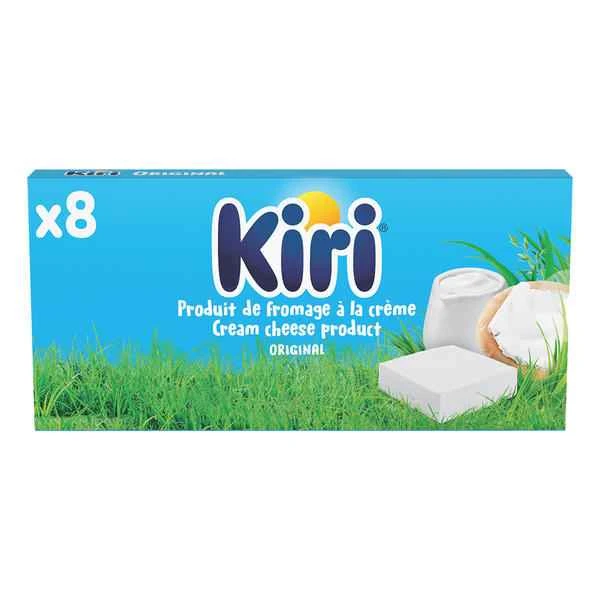
KIRI®️ Spreadable Cream Cheese Cubes: 1 cube (18g) (8 cubes) Rich and creamy ◦—◦—◦—◾—◦ Refreshing acidity ◦—◦—◦—◾—◦ Rich and fluffy ◦—◾—◦—◦—◦ A cream cheese with a firm, rich flavor and smooth texture. It has a rich milky aroma with subtle hints of sourness and saltiness. Key points for making cheesecake: Soft texture, easy to blend with other ingredients, and easy to work with. Due to its rich flavor, it is recommended for making baked cheesecakes.
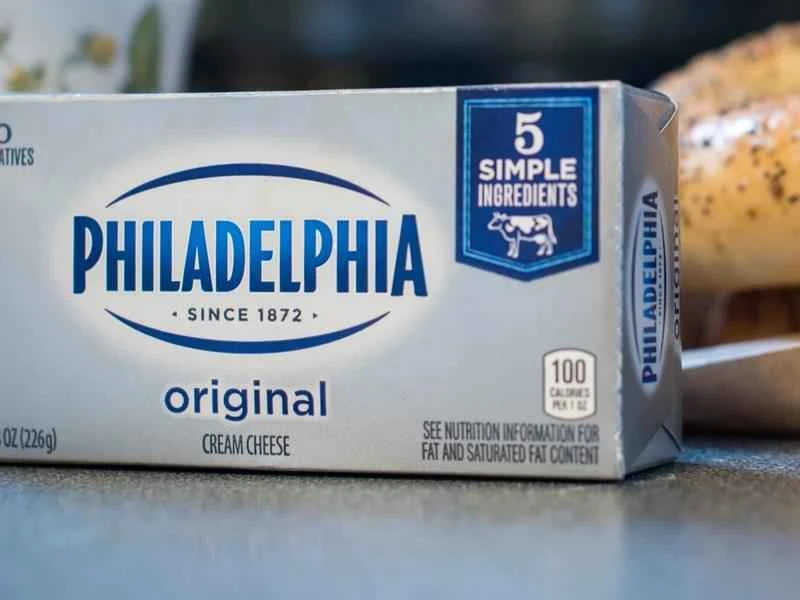
Kraft® Philadelphia Cream Cheese: 200g Rich and creamy ◦—◦—◦—◦—◾ Refreshing tartness ◦—◦—◦—◦—◾ Rich and fluffy ◦—◦—◦—◦—◾ Firm, smooth, and rich texture with a creamy, creamy flavor. Key to making cheesecake: It should have a yogurt-like flavor, rich and creamy yet refreshing and natural. The 200g packaging makes it convenient for single use. The texture is slightly firm; allow it to reach room temperature before use.
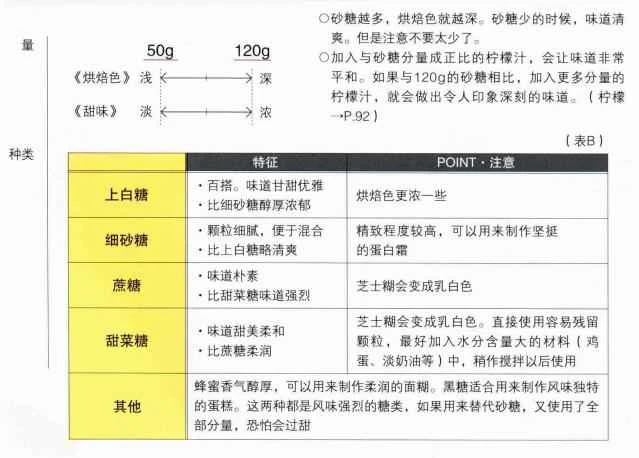
Types of Sugar: **[Superior White Sugar]** Characteristics: Versatile. Sweeter and more elegant than fine granulated sugar, richer in flavor than beet sugar. **Note: Slightly darker in baking color.** **[Fine Granulated Sugar]** Characteristics: Fine granules, easy to mix, lighter than superior white sugar. **Note: Higher sugar content, used to make stiff meringue.** **[Cane Sugar]** Characteristics: Mild flavor, stronger than beet sugar. **Note: Will turn cheesecake filling milky white.** **[Beet Sugar]** Characteristics: Sweet and mellow flavor, milder than cane sugar. **Note: Will turn cheesecake filling milky white.** It's easy to leave granules when used directly; it's best added to ingredients with high water content (eggs, heavy cream, etc.) and stirred slightly before use. **[Others]** Characteristics: Rich honey aroma, used to make smooth batters. Brown sugar is suitable for making cakes with unique flavors. Both of these are strong-flavored sugars; if used to replace granulated sugar in full, it may be too sweet.
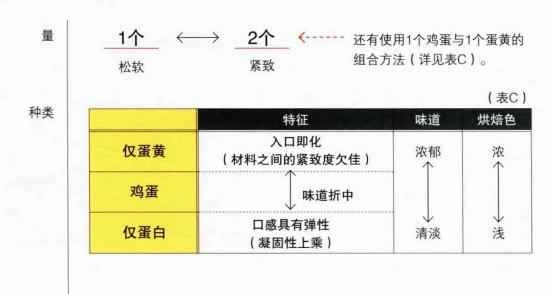
The amount of eggs used varies depending on whether you use only egg yolks, whole eggs, or only egg whites. *To achieve a better melt-in-your-mouth texture, whip the egg whites into a meringue. Adding the meringue to the cheese mixture will improve this effect. Whip the egg whites until they form soft peaks, then add the sugar and continue whipping. The amount of egg whites used and the firmness of the meringue will change the cake's texture, rise, and browning (see Table D for details).
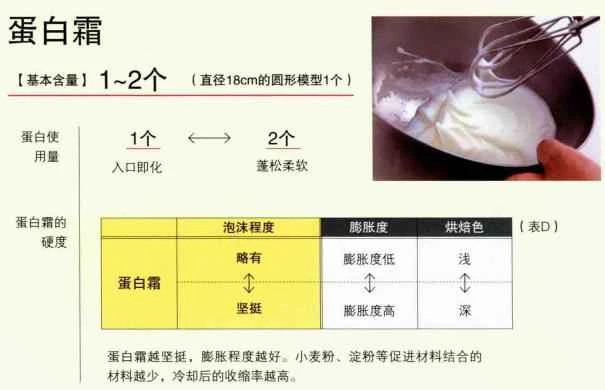
The firmer the meringue, the better it expands. The less binding agents like wheat flour and starch there are, the higher the shrinkage rate after cooling.

1 tablespoon: Fluffy and fine; 3 tablespoons: Melt-in-your-mouth, smooth and creamy. ○ When used in smaller quantities, the cheesecake flavor is more pronounced. The melt-in-your-mouth characteristic is obvious. ○ If carrying it for an extended period, add more flour to prevent the cake from breaking. Cake flour characteristics: As a type of wheat flour, it releases less sticky gluten and doesn't become excessively sticky even when water is added. Suitable for light-textured cakes. POINT: Fluffy and soft texture. Please be careful not to create lumps of raw flour. Cornstarch characteristics: Starch made from corn kernels. Gluten-free, suitable for light-textured and moist cakes. Releases some stickiness when exposed to high temperatures. POINT: More viscous than cake flour.
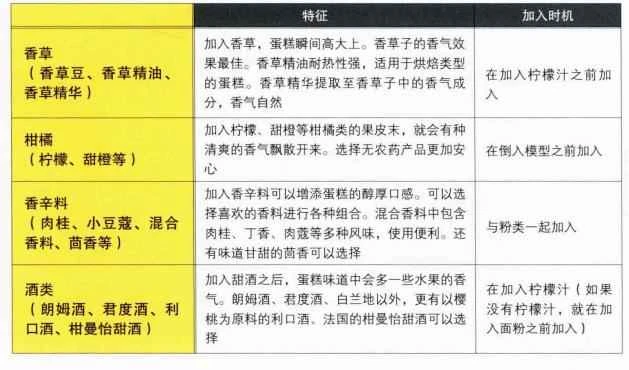
### Spices Adding spices to cheesecake enhances its flavor even further. Vanilla, lemon, spices, liqueurs, etc., can be chosen according to personal preference. #### Vanilla (vanilla pods, vanilla essential oil, vanilla extract) - Characteristics: Adding vanilla instantly elevates the cake's appearance. Vanilla seeds offer the best aroma. Vanilla extract is heat-resistant and suitable for baked cakes. Vanilla extract is extracted from the aromatic components of vanilla seeds, resulting in a natural aroma. - When to add: Add before adding lemon juice. #### Citrus (lemon, sweet orange, etc.) - Characteristics: Adding zest of citrus fruits like lemon and sweet orange creates a refreshing aroma. Choosing pesticide-free products provides peace of mind. - When to add: Add before pouring into the mold. #### Spices (cinnamon, cardamom, mixed spices, fennel, etc.) - Characteristics: Adding spices enhances the richness of the cake. Various combinations of your favorite spices are available. The mixed spices include cinnamon, cloves, nutmeg, and other flavors, making it convenient to use. Sweet fennel is also an option. - When to add: Add with the flour. #### Alcoholic beverages (rum, Cointreau, liqueur, Caprese liqueur) - Characteristics: Adding liqueur adds a fruity aroma to the cake. Besides rum, Cointreau, and brandy, there are also cherry-based liqueurs and French Caprese liqueurs to choose from. - When to add: Add after adding lemon juice (if lemon juice is unavailable, add before adding the flour).
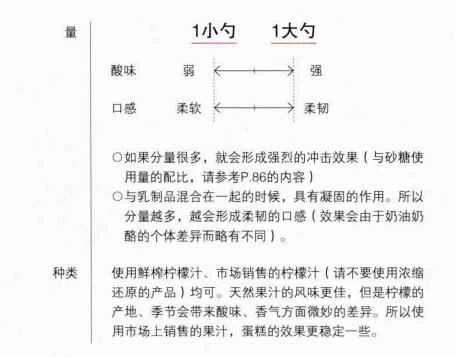
### Lemon [Basic Content] 4 teaspoons for 70g of sugar (for one 18cm diameter mold) #### Quantity - 1 teaspoon: Sourness: Mild Texture: Soft - 1 tablespoon: Sourness: Strong Texture: Chewy ○ A larger quantity will create a strong impact (refer to page 86 for the sugar ratio). ○ When mixed with dairy products, it has a coagulating effect. Therefore, the more lemon used, the chewier the texture will be (the effect will vary slightly depending on the individual cream cheese). #### Types Freshly squeezed lemon juice or commercially available lemon juice can be used (please do not use concentrated or reconstituted products). Natural fruit juice has a better flavor, but the origin and season of lemons will bring subtle differences in sourness and aroma. Therefore, using commercially available fruit juice will result in a more consistent cake texture.
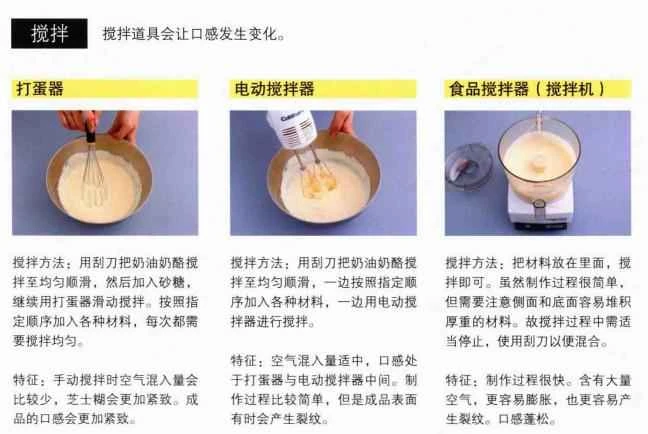
### The tools used are crucial because these are simple and easy-to-make desserts; variations in mixing tools can affect the texture. Regarding other tools, mixing methods can alter the texture. #### Whisk Method: Use a spatula to whisk the cream cheese until smooth and even. Then add the sugar and continue whisking manually. Add each ingredient in the specified order, mixing well after each addition. Characteristics: Less air is incorporated when whisking manually, resulting in a denser cheese mixture. The finished product will have a firmer texture. #### Electric Mixer Method: Use a spatula to whisk the cream cheese until smooth and even. Add each ingredient in the specified order while simultaneously mixing with an electric mixer. Characteristics: Moderate air incorporation; the texture falls between that of a whisk and an electric mixer. The process is relatively simple, but cracks may sometimes appear on the surface of the finished product. #### Food Blender (Mixer) Method: Simply place the ingredients inside and mix. Although the process is simple, be careful as a thick layer of ingredients can easily accumulate on the sides and bottom. Therefore, it is necessary to stop occasionally during stirring and use a spatula to mix. Characteristics: The process is quick. It contains a lot of air, making it easier to expand and crack. It has a light and fluffy texture.
Key Steps for Making Cream Cheesecake!!! ### 1. Allow cream cheese to soften at room temperature before use. Remove it from the refrigerator 30-60 minutes before use and let it soften at room temperature until you can insert your finger. In winter, it's difficult to soften at room temperature, so you can cut it into small pieces and melt it in a double boiler at around 60℃, or heat it in a microwave on low for 30 seconds at a time (be careful not to overheat). ### 2. Make the cream cheese smooth. Before mixing in other ingredients, be sure to use a spatula to stir the cream cheese until smooth and even. If it's not thoroughly mixed initially, any lumps will remain in the finished cake. ### 3. Add ingredients one by one in order. After the cream cheese is evenly mixed, add the other ingredients one by one. Stir well after each addition before adding the next to prevent lumps. It's better to add larger quantities of ingredients in small amounts several times rather than all at once. ### 4. Strain the cheese mixture. Whether baking a cheesecake or a cheesecake, straining the cheese mixture is necessary. Otherwise, it will be difficult to achieve a silky smooth texture. When using a sieve, avoid touching the bottom of the cake. You can also use a spatula to slowly slide the cheesecake through the sieve to increase the flow rate. ### 5 Resting Actually, cheesecake tastes better after sitting overnight than when it's freshly baked. Unmolding and cutting can be done after removing it from the refrigerator. This will actually make it look more appealing.