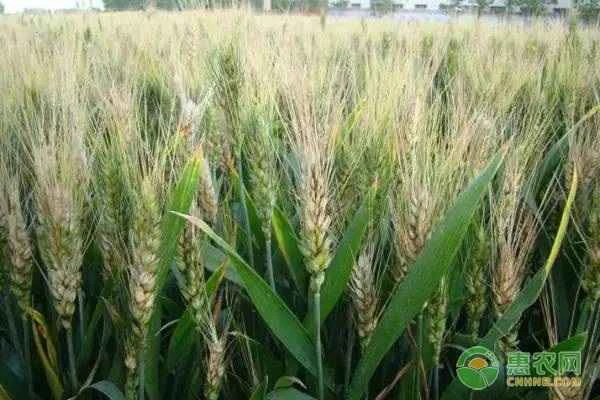
Wheat density is closely related to its grade. For example, grade one wheat generally has a density of over 790 kg/m³. So what is the average density of wheat? Let's find out below.
What is the average density of wheat?
Wheat density refers to the average mass of wheat per unit volume, and its standard is generally 760 kg/m³.
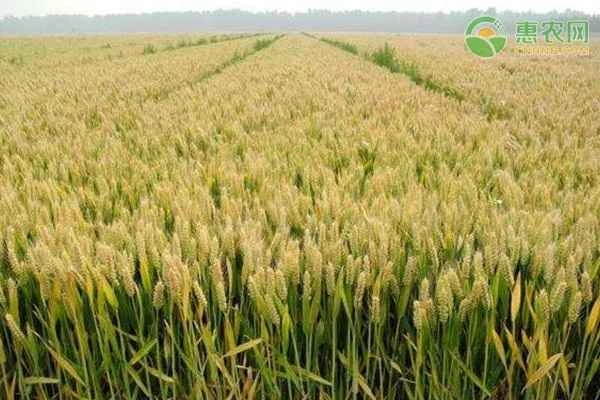
What are the criteria for classifying wheat grades?
According to my country's national standard for wheat (GB1351-1999), wheat grades are mainly divided into five levels based on test weight, impurities, impurities, moisture content, color, and odor:
1. Grade 1 wheat (hereinafter the same): ≥790 (test weight); ≤6.0 (imperfect grains); ≤1.0 (impurities); ≤0.5 (minerals in impurities ) ; ≤12.5 (moisture); normal (odor).
2. Grade II wheat: ≥770; ≤6.0; ≤1.0; ≤0.5; ≤12.5; Normal.
3. Grade III wheat: ≥750; ≤8.0; ≤1.0; ≤0.5; ≤12.5; Normal.
4. Grade IV wheat: ≥730; ≤8.0; ≤1.0; ≤0.5; ≤12.5; Normal.
5. Grade 5 wheat: ≥710; ≤10.0; ≤1.0; ≤0.5; ≤12.5; Normal.
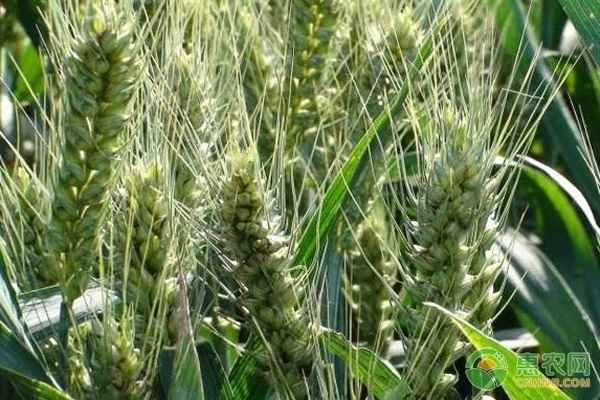
Among them, bulk density, impure particles, impurities, moisture, color, and odor represent the following meanings:
1. Test weight: The mass of wheat grains per unit volume, expressed in grams per liter (g/L).
2. Imperfect grains: Wheat grains that are damaged but still usable. This includes insect-damaged grains, diseased grains, broken grains, sprouted grains, and moldy grains.
3. Impurities: Other substances besides wheat grains, including sieve undersize, inorganic impurities and organic impurities.
4. Color and odor: The inherent combined color, luster, and odor of a batch of wheat.
5. Moisture content: refers to the percentage of water contained in wheat.