Seborrheic dermatitis is a common skin condition that is associated with a variety of diseases. This dermatitis typically occurs on oily areas such as the scalp, face, chest, and back. It may be associated with a range of skin conditions, including but not limited to Malassezia infection, psoriasis, and some allergic reactions.
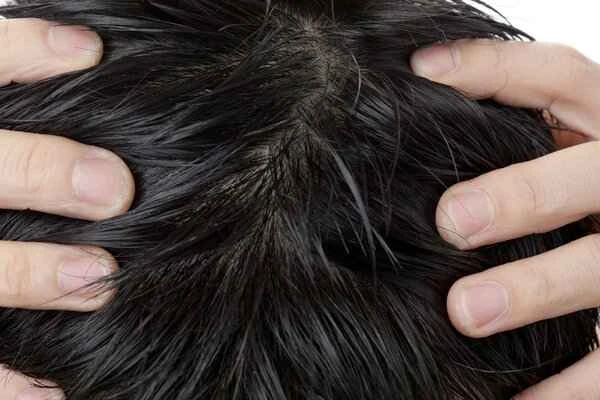
Seborrheic dermatitis is often associated with Malassezia infection, a skin condition caused by the overgrowth of the fungus Malassezia. This infection typically presents as erythema, papules, and scaling, particularly in areas rich in sebaceous glands. If a patient also has psoriasis, the symptoms of seborrheic dermatitis may be more severe, as both conditions are related to an abnormal immune response. If symptoms spread rapidly, are accompanied by severe pain or fever, a co-existing bacterial infection or other more serious skin condition should be considered.
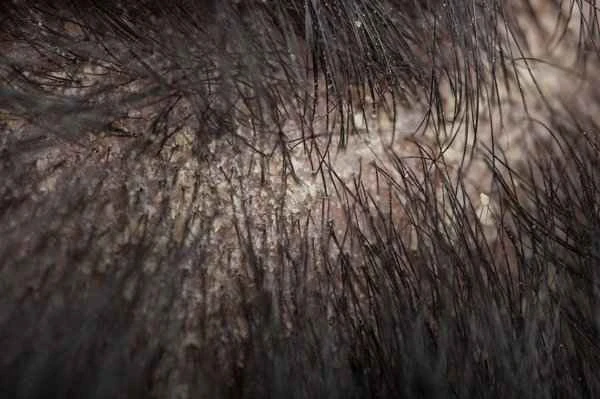
When discussing the relationship between seborrheic dermatitis and related diseases, it must be emphasized that while these associations exist, self-diagnosis is not advisable. If symptoms of seborrheic dermatitis appear, especially if the symptoms are severe or continue to worsen, you should seek medical attention promptly for diagnosis and treatment by a professional doctor. Avoid using over-the-counter medications or skincare products without consulting a doctor, as this may aggravate symptoms or cause other adverse reactions.
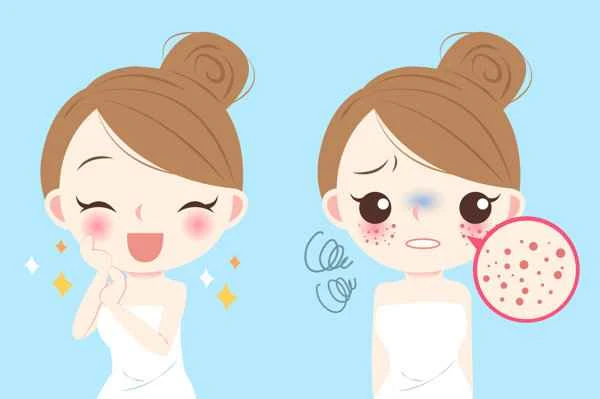
[Prevention Tips]
1. Maintain good personal hygiene habits and clean your skin regularly.
2. Avoid using cosmetics or skincare products that may irritate the skin.
3. Pay attention to a healthy diet and reduce the intake of high-sugar and high-fat foods.
4. Reduce stress and maintain a good mental state.