Keloids are overgrown scar tissues that are not contagious and are caused by an individual's abnormal healing mechanism.
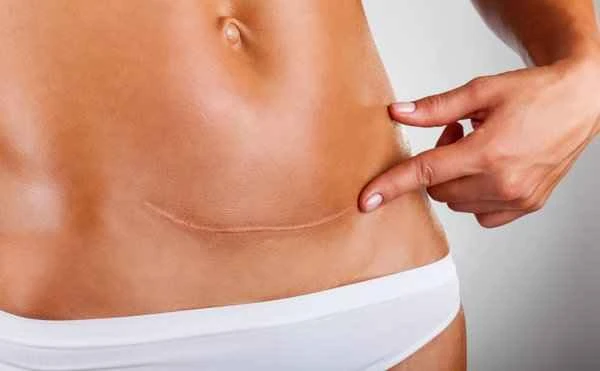
Keloids are abnormally proliferating scar tissue that occurs during the skin's healing process, typically after trauma or surgery. This proliferating scar tissue is not contagious, as it is not caused by bacteria, viruses, or other pathogens. Keloids form primarily due to an individual's abnormal healing mechanism, leading to excessive collagen deposition and the formation of scar tissue that extends beyond the wound. This overgrown scar tissue not only affects appearance but can also cause discomfort such as pain and itching.
When treating keloids, various methods are typically employed to reduce their size and discomfort. These methods include the use of silicone sheets, local corticosteroid injections, laser therapy, and cryotherapy. Each method has its specific mechanism of action and indications, and the most appropriate treatment is usually chosen based on the specific condition of the keloid and the individual's health status. For example, silicone sheets promote healing by keeping the wound moist, while local corticosteroid injections reduce scar size by decreasing inflammation and collagen production. These treatments can be used alone or in combination to achieve the best therapeutic effect.
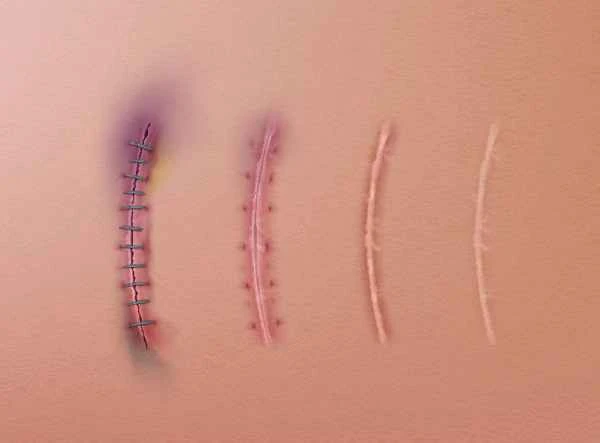
When treating keloid scars, it's important to note that while these methods can effectively reduce scar size and discomfort, they cannot completely eliminate them. Side effects may occur during treatment, such as skin pigmentation and infection. When choosing a treatment method, it's necessary to comprehensively consider the patient's individual health condition, the specific characteristics of the scar, and the potential risks of treatment to make the most appropriate decision.
[Management Tip:]
1. Use silicone sheets or gels regularly to promote scar softening and reduce hyperplasia.
2. Avoid direct friction and irritation to the keloid area to reduce pain and itching.
3. If signs of infection appear, such as redness, swelling, or fever, seek medical attention promptly.
4. During treatment, regular follow-up visits are necessary so that the doctor can adjust the treatment plan according to changes in the scar.