The best way to manage post-amputation scars is through a comprehensive treatment approach to reduce scar formation and promote healing.
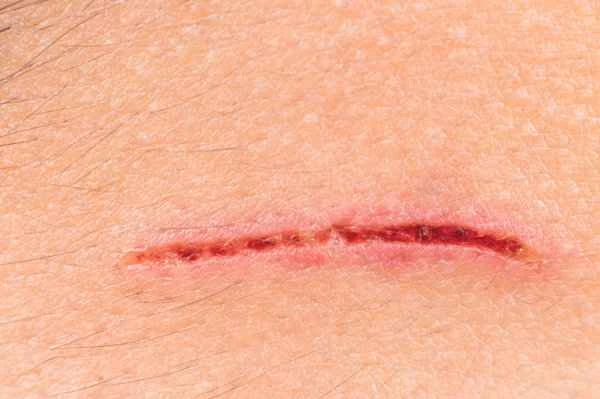
Following amputation, scar tissue forming during wound healing is part of the body's natural repair process. Managing post-amputation scars typically requires a comprehensive approach, including but not limited to medication, physical therapy, and surgical intervention. Medication may include the use of anti-scarring agents, such as silicone gel sheets or gels, which soften scar tissue and reduce hardness and redness. Physical therapy includes pressure therapy; wearing pressure garments or using pressure bandages can effectively reduce scar hyperplasia. For severe cases of hypertrophic scarring, surgical intervention may be necessary, such as scar excision or flap transplantation, to improve the appearance and function of the scar. These methods work together to minimize scar formation and promote wound healing.
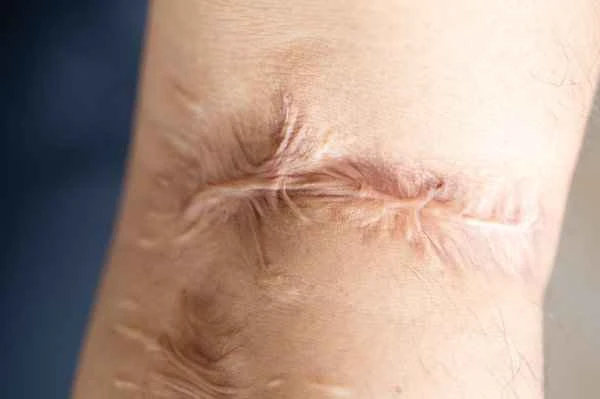
In managing post-amputation scars, patients may encounter some potential risks and misconceptions. Overuse of certain medications or treatments may lead to skin allergies or other adverse reactions. Some patients may rely too heavily on a single treatment method, neglecting the importance of comprehensive treatment. Some patients may experience psychological stress due to the appearance or functional impairment of their scars, which requires psychological support and rehabilitation training to alleviate. When managing post-amputation scars, patients should choose the most suitable treatment plan based on their individual circumstances under the guidance of a professional physician.
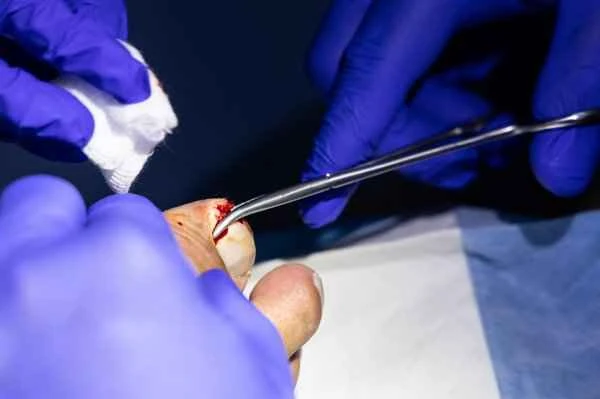
[Management Tip:]
1. Use anti-scarring medications regularly, such as silicone gel sheets or gels, to reduce the hardness and redness of scars.
2. Wear pressure garments or use pressure bandages to reduce scar hyperplasia.
3. If scar hyperplasia or other abnormalities occur, seek medical attention promptly, as surgical intervention may be necessary.
4. Maintain a positive attitude and seek psychological support and rehabilitation training when necessary.