The main cause of shingles is the reactivation of the varicella-zoster virus (VZV). This virus initially causes chickenpox, and may then remain dormant in nerve cells. When the body's immunity weakens, the virus can become active again, leading to shingles.
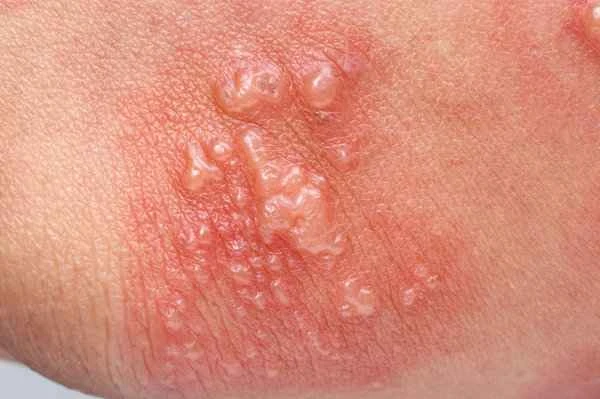
The triggers for shingles are varied, including but not limited to chronic stress, fatigue, aging, and a weakened immune system due to certain diseases or medications. The rash typically presents as erythema and blisters along the distribution of nerves, accompanied by intense pain, burning, or stinging. This pain can sometimes last for weeks or even months, even after the rash has healed. Shingles rashes usually appear only on one side of the body and do not cross the midline.
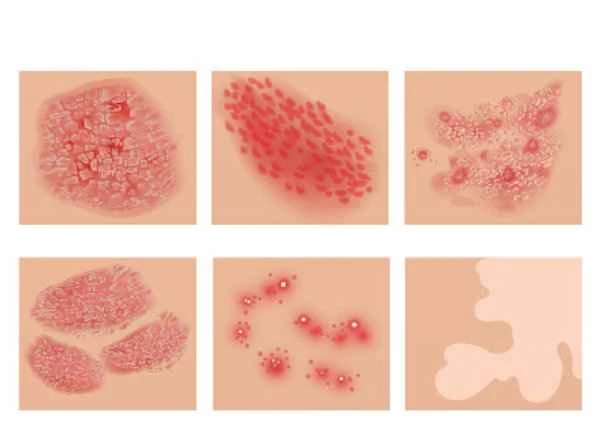
Another factor is individual variability, as the symptoms and severity of shingles vary from person to person. Some people may only have a mild rash, while others may experience severe pain and a widespread rash. If shingles occurs on the face, especially around the eyes, it can cause permanent vision damage, so immediate medical attention is necessary. Shingles can also lead to other complications, such as postherpetic neuralgia (PHN), a long-term painful condition where pain may persist even after the rash has disappeared.

If symptoms include persistent, severe pain, rapidly spreading rash, or visual disturbances, immediate medical attention is necessary to prevent the condition from worsening. Although shingles is often associated with chickenpox, not all rashes are shingles; therefore, proper diagnosis requires evaluation by a professional physician.
[Prevention Tips:]
1. Maintain good personal hygiene habits and enhance your own immunity.
2. Avoid overexertion and get plenty of rest.
3. Maintain a healthy lifestyle, including a balanced diet and moderate exercise.
4. Consider getting the shingles vaccine, especially for adults over 50.