Watermelon is one of the most popular fruits in summer, its refreshing taste making people feel comfortable in hot weather. If you want to grow watermelons , you need to know the sowing time. So when is the best time to sow watermelon seeds ? Let's take a look.
1. When is the best time to plant watermelon seeds?
Watermelon seeds are best planted in spring and summer, generally from early March to early May or from early July to mid-August, depending on the location. Watermelons planted in spring have a longer growth cycle and higher yields, but lower quality; watermelons planted in summer have a shorter growth cycle and better quality, but are more susceptible to climate changes.
II. Watermelon Planting Methods and Techniques
1. Soil preparation
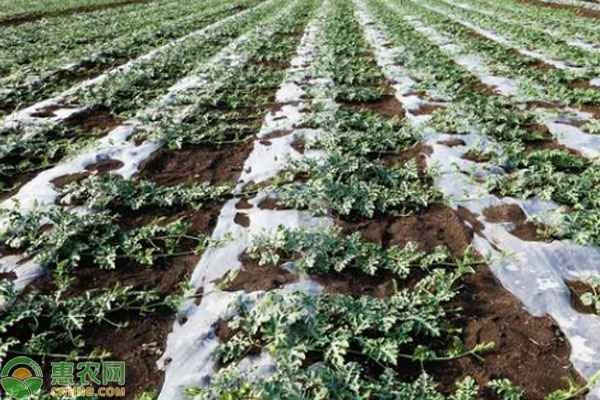
Watermelons thrive in loose, well-aerated, and well-drained soil. Therefore, proper soil preparation is necessary before planting. First, remove weeds and stones from the plot, then deep-plow the soil to loosen it. Next, mix in well-rotted organic fertilizer , such as cow manure or chicken manure, to improve soil fertility. Finally, level the land to create suitable planting beds for watermelons.
2. Sowing and seedling raising
Select plump, healthy watermelon seeds for sowing. Before sowing, soak the seeds in warm water to promote germination. Then, dig small holes at appropriate intervals on the seedbed, place the seeds in the holes, and cover them with a thin layer of soil. After watering, cover with plastic film to keep warm and moist. Once the seeds have germinated and emerged from the soil, remove the film promptly to allow the seedlings to receive sunlight.
3. Transplanting and planting
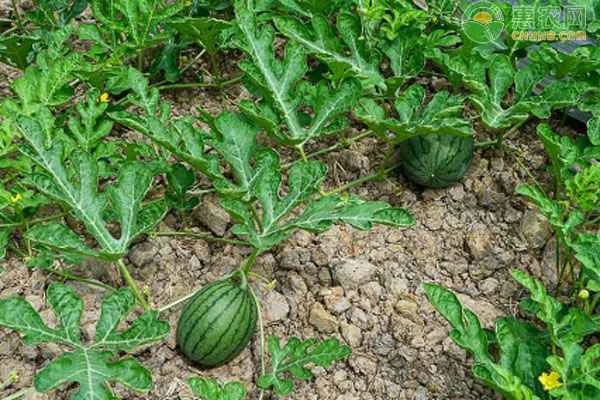
When the watermelon seedlings have grown 2-3 true leaves, they can be transplanted. Before transplanting, dig planting holes in the plot and apply base fertilizer. Then, dig the seedlings out of the nursery bed and transplant them into the planting holes with soil attached. Take care to keep the seedling roots intact and avoid damage. After transplanting, water thoroughly to ensure close contact between the soil and the roots.
4. Field Management
Watermelon cultivation requires meticulous field management. This includes watering, fertilizing, weeding, pruning, and pest and disease control. When watering, keep the soil moist but avoid waterlogging. When fertilizing, choose appropriate fertilizers based on the watermelon's growth stage, such as potassium, phosphorus, and nitrogen fertilizers. When weeding, regularly remove weeds from the field to reduce the breeding of pests and diseases. When pruning, retain the main vine and 2-3 strong lateral vines, and remove diseased leaves and excess lateral vines. Regarding pest and disease control, carefully observe the growth of the watermelon plants; if signs of pests or diseases are found, take timely control measures.
5. Harvesting and Storage
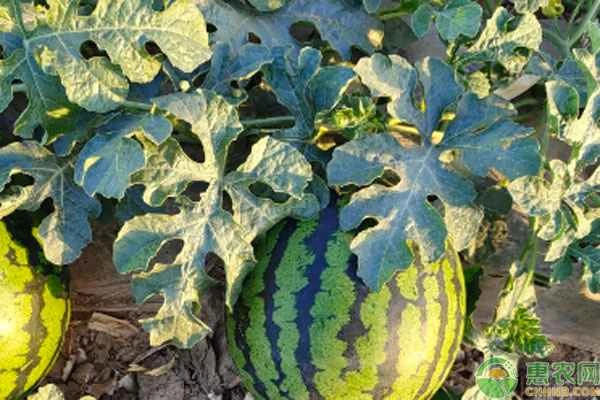
When watermelons reach a certain size, they can be harvested according to variety characteristics and market demand. During harvesting, avoid pulling or damaging the fruit; cut the stem with scissors. Harvested watermelons should be stored in a well-ventilated, cool, and dry place, avoiding moisture and direct sunlight. For long-term storage, watermelons can be placed in a cellar or cold storage.