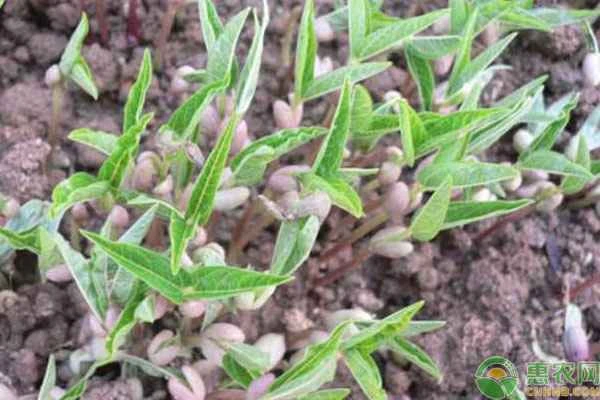
Watermelon, a refreshing summer fruit, is loved by many. If you want to grow your own watermelon and experience the growth process from seed to fruit, you'll need to learn watermelon cultivation techniques. How do you get watermelon seeds to germinate? Let's take a look.
I. Preparations before watermelon seedling cultivation
1. Choose a suitable variety: Select a watermelon variety suitable for your growing region and climate. Common varieties include black-skinned watermelons, red-fleshed watermelons, and seedless watermelons. Each variety has its own characteristics and adaptability, so choosing a variety suitable for your region is very important.
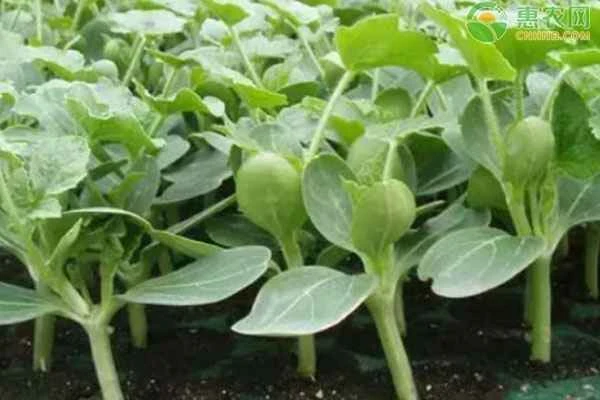
2. Prepare the soil: Watermelons prefer well-drained, fertile soil. Before sowing, apply basic fertilizer to provide sufficient nutrients to the soil. If the soil is too poor, consider adding organic matter or fertilizer .
3. Select good seeds: When purchasing seeds, choose those that are intact, healthy, and free from pests and diseases. High-quality seeds will lay a solid foundation for your watermelon growing journey.
II. Detailed Explanation of Watermelon Seedling Cultivation Steps
1. Seed germination preparation: First, place the selected seeds in a damp paper towel, then wrap the paper towel tightly and put it in a plastic bag. Place it in a dark place, maintaining a suitable temperature and humidity, and wait for the seeds to germinate. This process usually takes 5-7 days. During this time, be sure to keep the soil moist and prevent the paper towel from drying out.
2. Seedbed Preparation: While the seeds are germinating, we need to prepare the seedbed. Choose appropriate seedbed materials, such as well-rotted compost or river sand. Level and break up the seedbed, and keep it moist.
3. Planting: When the seeds germinate and develop a pair of true leaves, they can be planted. Dig appropriately sized holes in the seedbed, transplant the seedlings into the holes, being careful not to damage the roots. After transplanting, gently cover the roots of the seedlings with soil and keep the seedbed moist.
4. Maintenance and Management: In the days following transplanting, maintain good humidity and ventilation. Prevent excessive moisture or waterlogging, and protect against pests and diseases. At the same time, regularly apply appropriate amounts of liquid fertilizer to ensure the seedlings meet their growth needs.
III. Precautions for Watermelon Cultivation
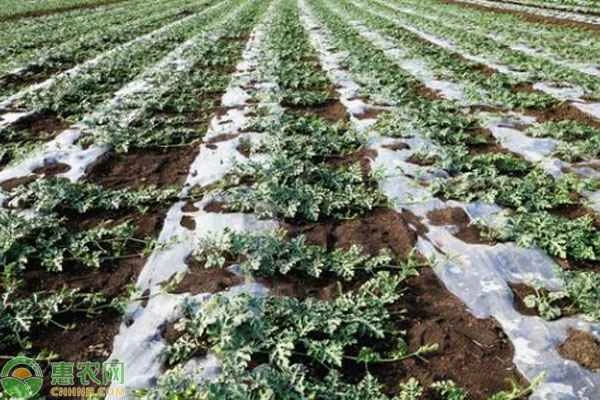
1. Planting density: Choose the appropriate planting density based on your variety and soil conditions. Too dense a planting density will lead to poor fruit growth, while too sparse a planting density will waste land resources.
2. Water regularly: Watermelons like a moist environment, but overwatering can lead to root rot. Therefore, it is important to control the timing and amount of watering, keeping the soil moderately moist.
3. Pest and disease control: Watermelons are susceptible to pests and diseases, such as downy mildew in cucumbers and wilt in watermelons. These can be controlled through proper crop rotation and regular pesticide application.
4. Fruit Protection: When watermelons begin to form fruit, protective measures should be taken. Mats or bamboo mats can be laid down to prevent the fruit from directly contacting the ground and reduce the spread of germs.
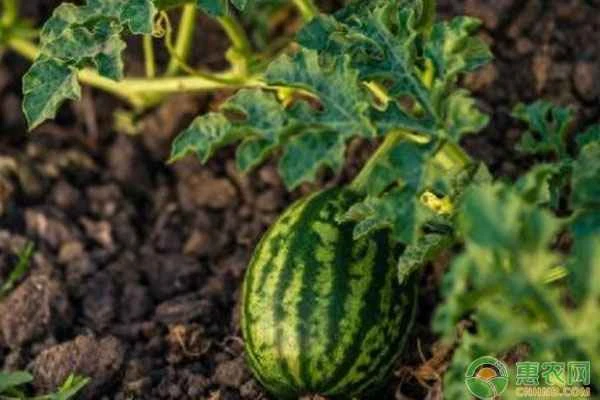
5. Harvest promptly: Harvest the fruit as soon as it is ripe to prevent over-ripening and a decline in taste. Also, be careful not to damage the fruit's skin during harvesting, as this will affect the taste and shelf life.