Watermelon is a popular fruit , and many people want to grow it at home. This requires mastering seedling cultivation techniques, which is a crucial step in watermelon cultivation, directly affecting the yield and quality of the watermelon. So, how do you cultivate watermelon seedlings? Let's take a look.
1. Soil selection
Choose a fertile, well-drained site for watermelon seedling cultivation. The soil pH should be between 6.0 and 7.5.
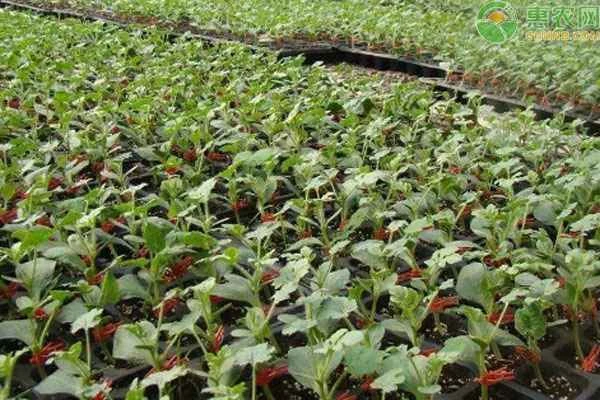
2. Seed treatment
Choose healthy seeds free from pests and diseases. Soak the seeds in warm water for 12-24 hours, then remove and air dry them. This helps improve germination rate and promotes seed sprouting.
3. Seedbed preparation
Before sowing seedlings, the seedbed should be thoroughly loosened and leveled. Organic fertilizer or well-rotted livestock manure can be added to improve soil quality and provide nutrients.
4. Sowing and covering with soil
Sow the seeds evenly in the seedbed at appropriate intervals, then gently cover them with soil to a thickness of about twice the diameter of the seeds. Gently water the seedbed with a sprayer or watering can.
5. Temperature and humidity management
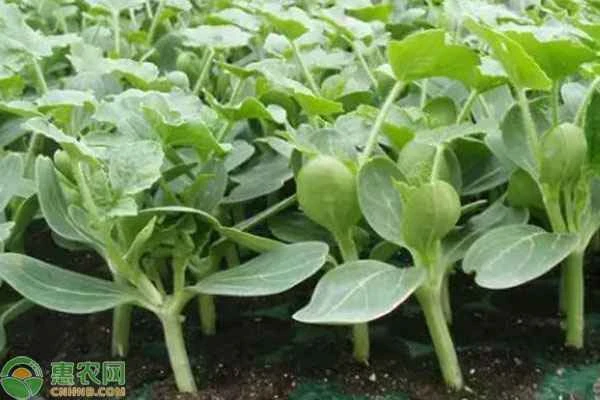
Maintaining suitable temperature and humidity helps promote seed germination and seedling growth. Generally, the temperature should be controlled within the range of 25-30°C, and the humidity should be kept at around 70%.
6. Maintenance and Management
Weed and loosen the soil regularly, and maintain good ventilation and adequate sunlight. Water regularly as needed, but be careful to avoid overwatering and waterlogging.
7. Seedling transplantation
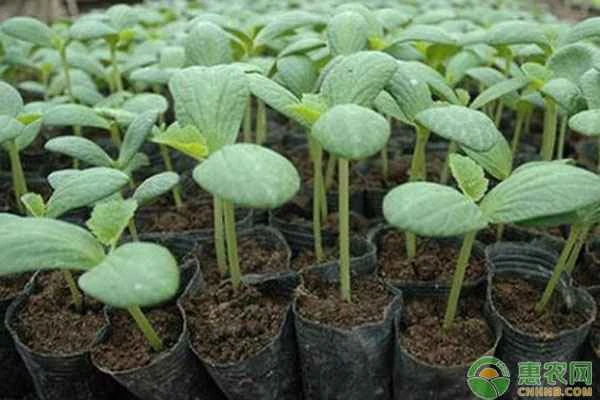
When the watermelon seedlings have grown 3-4 true leaves, they can be transplanted. Carefully dig up the seedlings and transplant them into a prepared plot of land or pot , keeping appropriate spacing between them.