Crayfish are an important aquatic product farmed in China, favored by many farmers due to their short growth cycle, low investment, and stable income. However, understanding their growth habits is crucial for successful crayfish farming. So, what kind of environment do crayfish live in? Details are as follows:
What kind of environment do crayfish live in?
Crayfish are highly adaptable and not demanding in terms of their growing environment. However, they prefer to live in clean streams, swamps, ditches, ponds, shallow wetlands with abundant aquatic plants, lakes , and creeks.
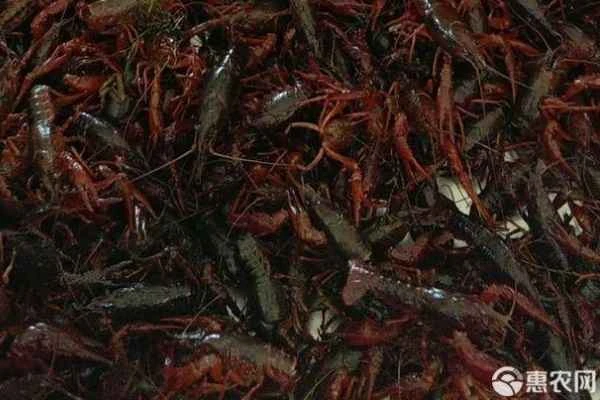
How to select seedlings for crayfish farming ?
1. Consider the region
It is recommended to purchase shrimp seedlings from nearby areas with advanced aquaculture technology. This can help avoid the multi-generation breeding phenomenon that occurs with local shrimp seedlings and also reduce transportation costs and damage during transport.
2. Observe body color
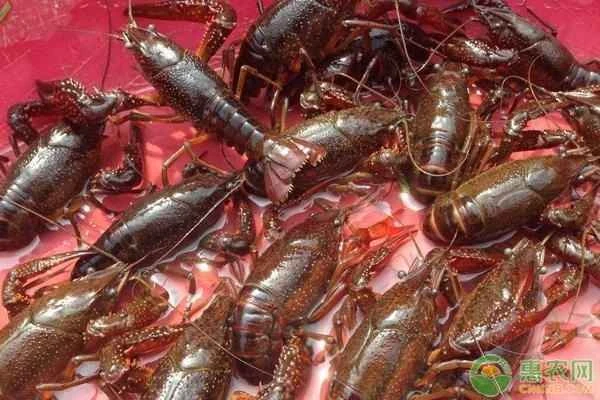
A smooth, glossy, bluish-green body shell and bluish-green swimming legs are considered the best quality, followed by red. Avoid those with large, hard, red claws or any attached substances to the body surface; the best quality is a bluish-green shell with a white belly.
3. Observe vitality
High-quality shrimp larvae are those that are vigorous and responsive when gently touched.
4. Check the weight
You can weigh 10-15 grams of lobster seedlings, depending on their size, and then convert the weight into the number of seedlings per kilogram. If the individuals are too small and in poor condition, then transportation will not be an issue.
5. Select specifications
Choose shrimp larvae that are uniform in size, have intact limbs, are robust, and are smooth and free of mud. If you choose shrimp larvae that are of inconsistent size and are thin, their survival rate is usually low.
6. Observe the intestines
Select experimental shrimp, pull out the intestinal tract, and they should be thick and plump, contain food, and have no blue intestine, empty intestine, segmented intestine, transparent edema, or other signs of enteritis.