Summer is characterized by high temperatures, frequent rain, and high humidity, making it a peak season for livestock and poultry diseases. Therefore, pig farmers must take preventative measures against various diseases on their farms during the summer. So, how should common pig diseases be treated in summer? Let's find out below.
1. Swine streptococcal disease
Streptococcal disease in pigs is a common infectious disease that can be transmitted between humans and animals, and is extremely dangerous. Treatment requires precise administration after diagnosis to determine the specific type of disease. Commonly used drugs include amikacin, streptomycin, sulfamethoxazole, trimethoprim-sulfamethoxazole, and dexamethasone.
2. Pigs suffering from heatstroke
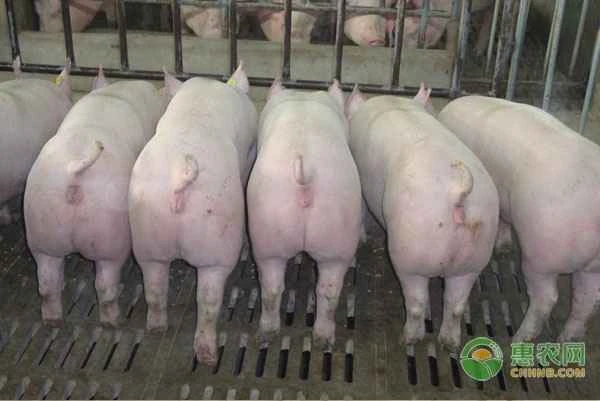
Summer weather is hot and temperatures are high, so pig farmers must pay attention to the problem of heatstroke in pigs. Specifically, treatment methods include: 1) pouring cold water onto the head and body of the heatstroke-stricken pig to cool it down; 2) cutting off the tips of the pig's ears or tail and draining 100-200 ml of saline solution; and 3) intravenously injecting 200-500 ml of saline solution into the pig.
3. Porcine toxoplasmosis
Porcine toxoplasmosis, also known as swine toxoplasmosis, is a common protozoan parasitic disease with high infectivity. The effective treatment for this disease is sulfonamides, with a recommended regimen of sulfamethoxazole + trimethoprim (Trimethoprim), at a dose of 30-70 mg per kilogram of body weight, administered intramuscularly every 24 hours for 3-5 days.
4. Swine eczema
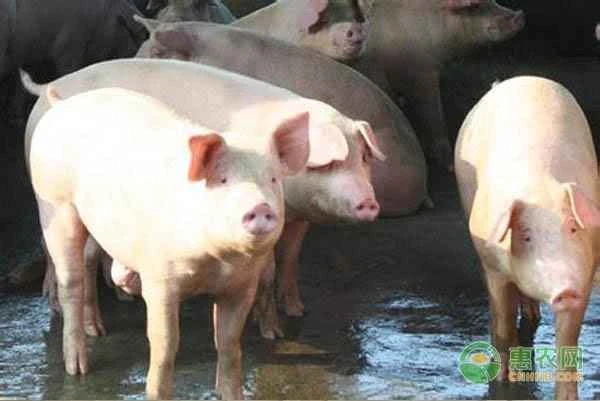
Swine eczema is a common infectious disease in pigs. Pigs living in hot and humid environments for extended periods, coupled with the accumulation of toxins in their bodies, are prone to developing this disease. Treatment involves washing the affected area with a 0.1% potassium permanganate solution, followed by applying ichthammol ointment once daily for three consecutive days. Alternatively, an intramuscular injection of cephalosporin + dexamethasone and vitamin C can be administered for three consecutive days.
5. Porcine eperythrozoonosis
Porcine eperythrozoonosis is an infectious disease caused by *Eperythrozoon suis*, characterized by anemia, jaundice, and fever as the main clinical symptoms. This disease commonly occurs in summer and is transmitted through the bites of mosquitoes, stable flies, and lice. For treatment, infected pigs can be given a 5% solution of 8-10 mg of acaricide per kilogram of body weight, diluted with an appropriate amount of physiological saline, and administered via deep intramuscular injection once daily for 2-3 consecutive days.