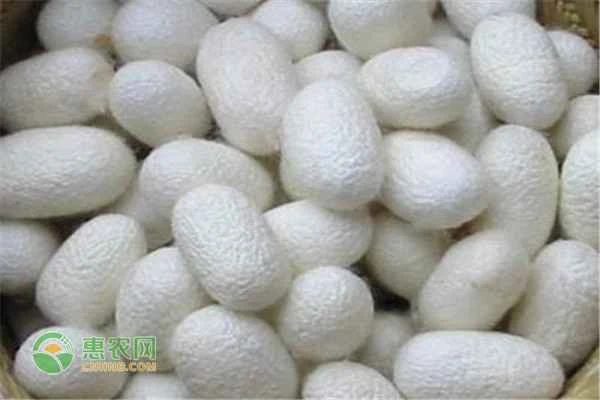
Many of us probably raised silkworms when we were young, but most likely only went as far as the cocoon-spinning stage. The cocoon is actually silk , which plays a vital role in many industries in China. Let's learn about silkworm rearing methods together.
1. Site Requirements
When raising silkworms, choose locations far from heavy pollution and poor environmental conditions. The structure of the silkworm rearing room should facilitate the control of indoor temperature and humidity, the adjustment of light and shadow, and the ease of cleaning and disinfection, as well as the ease of operation for the rearing personnel. Because silkworms are extremely sensitive to pesticides , pesticides should not be piled up in or around the silkworm rearing area, and pesticide volatilization should be prevented from affecting the growth of silkworms.
During the early silkworm stage, the silkworm rearing room needs to have good heat preservation and moisture retention functions, and the doors and windows need to be well airtight.
During the peak silkworm rearing period, the silkworm rearing room needs sufficient space, good ventilation, and screen windows and doors to prevent flies from entering and reduce the occurrence of fly larvae and silkworm diseases.
The storage room should have a dry floor, good ventilation, even lighting, and easy dehumidification. The mulberry storage room should have a low temperature and humidity, and relatively good lighting for easy cleaning and disinfection.
2. Preparation for breeding
Five to seven days before silkworm rearing, the silkworm rearing room and equipment need to be thoroughly disinfected. Disinfection should strictly follow the procedure of "sweep, wash, sun-dry, and disinfect." First, thoroughly clean the silkworm rearing room inside and out, removing all dirt and impurities. Then, rinse the equipment with running water to remove any remaining stains. Place the cleaned equipment in the sun to dry, then disinfect it. A solution of bleach and water can be used for disinfection. Finally, fumigate with a disinfectant, ensuring doors and windows are closed during fumigation and that the silkworm rearing room and equipment remain dry.
During silkworm rearing, the silkworms and the feeding area must be disinfected. Regular use of disinfectants can help eliminate viruses. Important points to note during silkworm rearing include inspecting the silkworms, washing and disinfecting hands before feeding, and promptly sorting and disposing of weak or dead silkworms to prevent other silkworms from becoming infected. After selling the cocoons, clean the silkworm rearing room and equipment, then spray them again with disinfectant or bleach solution.
3. Management at different stages
The early silkworm stage is crucial, determining the later harvest. Strict temperature and humidity control is essential during silkworm rearing. Generally, the temperature should be maintained at 24-25 degrees Celsius, with a humidity difference of 1-2 degrees Celsius. Dark protection and supplementary induction of growth are conducted, and silkworms are harvested every other day. When harvesting, the temperature should be raised to 27-28 degrees Celsius, with a humidity difference of 1-2 degrees Celsius. Spring silkworms are typically harvested between 8-9 am, and autumn silkworms around 7 am. Because young silkworms grow quickly but crawl slowly, timely expansion and even distribution of the silkworm rearing area are necessary.
4. Requirements for selecting mulberry leaves for silkworms
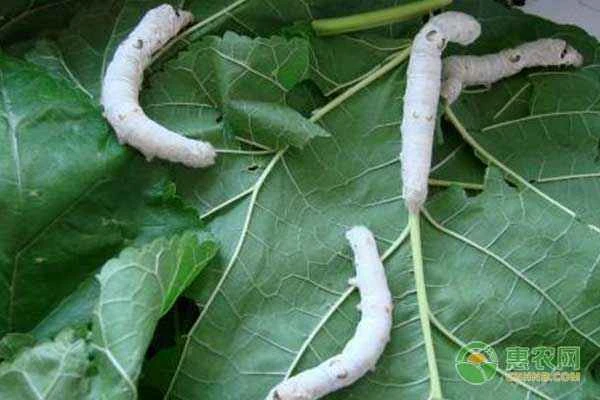
The quality of the leaves used for silkworms directly affects their growth and development, and the standards for leaves vary depending on the different developmental stages of each instar. The mulberry leaves used for feeding must be free of insect bites, dew, rainwater, and other impurities; proper storage of the mulberry leaves is essential. When feeding, the mulberry leaves should be given promptly and evenly. If a pesticide odor is detected or pesticide residue is suspected, it is best to test the feed first to confirm there are no problems before large-scale feeding.
5. Precautions during the silkworm's sleep period
Silkworms expend a lot of energy and have weakened immunity during molting, so it's important to ensure they eat well before molting and manage them properly during molting, providing them with ample food at appropriate times. During the rearing process, if some silkworms are found to be healthy while others are weak and listless, the cause should be identified promptly, and the silkworms should be classified and managed accordingly. Weak and unhealthy silkworms should be identified and reared separately. This practice can effectively prevent unforeseen diseases from harming the health of other silkworms.
6. Strengthen the management of silkworm rearing to ensure stable and high cocoon production.
For silkworms in their later stages, mulberry leaves should be used according to a planned schedule and in fixed quantities. Early-harvested leaves can be fed twice a day, once in the morning and once in the evening, while late-harvested leaves should be used the following morning. When storing mulberry leaves, care must be taken to prevent them from heating up and spoiling. Avoid feeding spoiled or withered leaves. As silkworms grow, their bodies also increase in size, requiring larger feeding beds. Therefore, it is essential to expand the feeding bed as needed, providing each silkworm with two beds. Pay attention to ventilation in the silkworm rearing room (frequently open doors and windows to allow air circulation), as large silkworms breathe a lot and produce a lot of excrement, making the air easily polluted and prone to causing diseases.
7. Prevent silkworm diseases
Adding feed to kill silkworm flies can prevent fly larvae disease. Feed once on the second or third day of the fourth instar, and begin feeding again on the second day of the fifth instar, then feed every other day thereafter, and feed again when mature silkworms appear. When feeding, add one dose of silkworm fly killer emulsion to 1 kg of water; alternatively, you can use a body spray instead of feeding, adding one dose of silkworm fly killer emulsion to 0.6 kg of water. Adding silkworm health supplements can prevent bacterial diseases. Feed 1-2 times in the fourth instar, and begin feeding again on the second day of the fifth instar, generally 3-4 times. Add one dose of silkworm health supplement to 500 ml of water, mixed with 5 kg of mulberry leaves. Watching silkworms transform from cocoons to butterflies is quite enjoyable, isn't it? In the process of raising silkworms, you need to be careful and diligent, learn from experience, and develop your own silkworm rearing methods.