The time it takes for hypertrophic scars to heal varies from person to person, typically ranging from several months to several years. Hypertrophic scars are the result of an overreaction of the skin during the healing process, and their rate of resolution is influenced by a variety of factors, including individual differences, the severity of the trauma, and the effectiveness of the treatment.
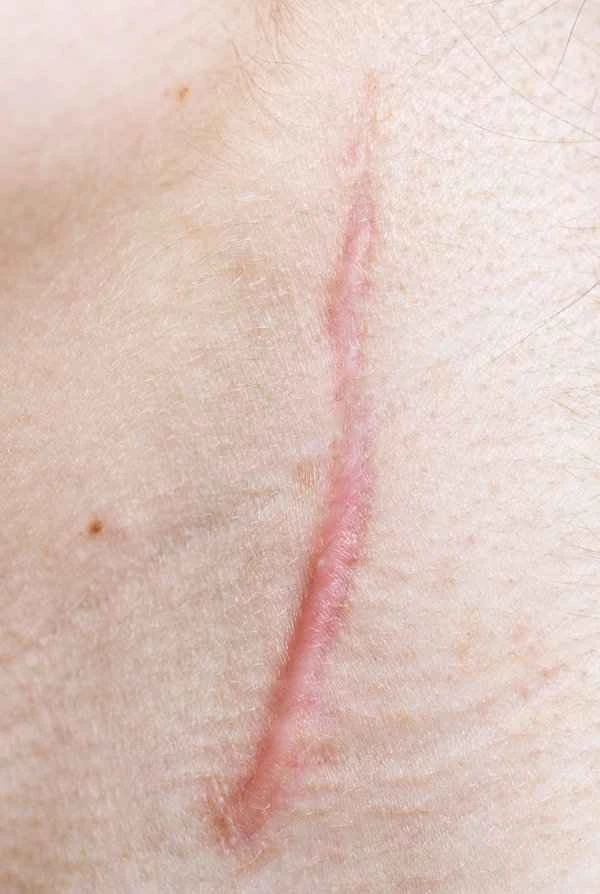
The formation of hypertrophic scars is closely related to the inflammatory response, excessive collagen deposition, and changes in local blood circulation during the skin healing process. In the early stages of healing, redness, swelling, and pain may occur at the wound site due to the inflammatory response. As the wound heals, scar tissue begins to form, characterized by its darker color and firmer texture. The regression of hypertrophic scars is a gradual process, during which the scar tissue gradually softens and its color lightens. This process is influenced by various factors, including individual age, genetic background, the nature and size of the wound, and the effectiveness of treatment measures. For example, timely anti-inflammatory measures and measures to inhibit excessive collagen deposition can effectively promote the regression of hypertrophic scars.
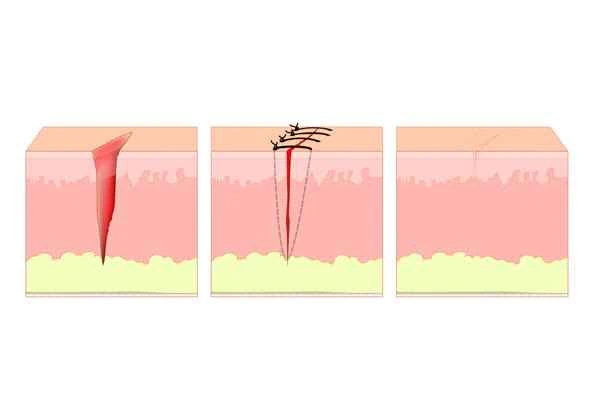
In managing hypertrophic scars, patients may encounter some misconceptions, such as believing that all scars will disappear naturally or that all scar repair products on the market are equally effective. In reality, the regression of hypertrophic scars is a complex process influenced by various factors, including individual differences, the nature and size of the trauma. Choosing the appropriate treatment method is crucial for promoting the regression of hypertrophic scars. Side effects such as allergic reactions or infections may occur during treatment; therefore, it is best to consult a professional physician before using any treatment.
[Management Tip:]
1. Use scar repair products recommended by your doctor regularly.
2. Keep the wound clean to prevent infection.
3. If any abnormal symptoms occur, such as increased redness and swelling or pain, seek medical attention promptly.