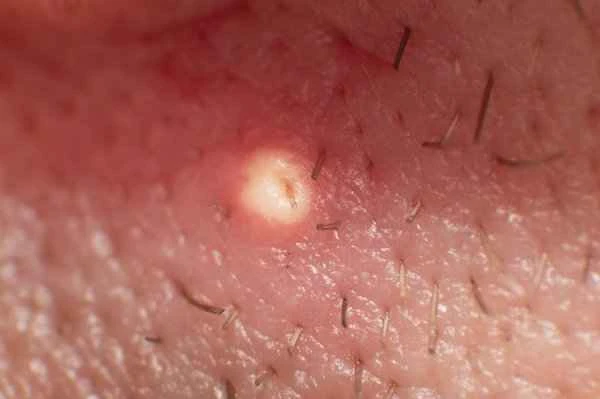
Pustules on the scalp can be caused by a variety of reasons, including folliculitis, sebaceous cysts, and infectious skin diseases. This condition is usually accompanied by localized redness, swelling, and pain on the scalp, and sometimes systemic symptoms such as fever. The formation of pustules may be related to physical injury to the skin, bacterial or fungal infections, or individual skin conditions and lifestyle habits.
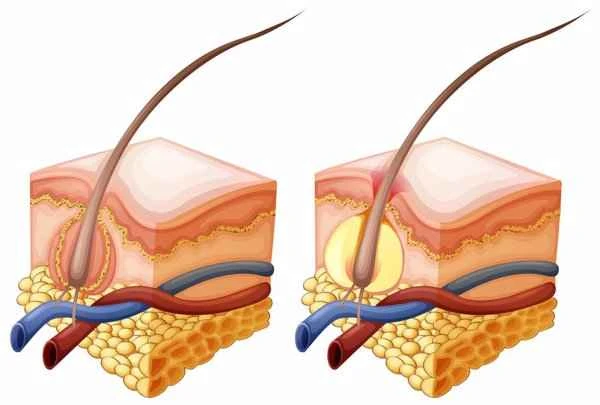
If pustules appear in a specific area of the scalp and are accompanied by symptoms such as increased dandruff and hair loss, it may be a sign of seborrheic dermatitis. Seborrheic dermatitis is a common skin condition that typically occurs on oily areas such as the scalp and face. Another possibility is inflammation of the hair follicles on the scalp, which may be folliculitis caused by a bacterial infection. Folliculitis is usually accompanied by local redness, swelling, and pain, and pus may drain from the pustules after they rupture.
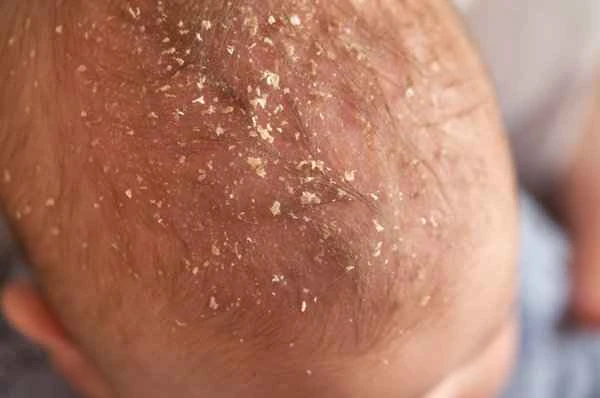
It's important to note that while mild scalp pustules may be relieved through self-care, if the pustules persist, enlarge, or are accompanied by severe systemic symptoms such as high fever or headache, immediate medical attention is necessary. Avoid squeezing the pustules yourself, as this can spread the infection or worsen the inflammation. Common misconceptions include believing that all scalp pustules are caused by bacterial infections or that using a particular shampoo can completely solve the problem. In reality, scalp pustules have a variety of causes and require diagnosis and treatment based on the specific circumstances.
[Prevention Tips:]
1. Keep your scalp clean and use a mild, non-irritating shampoo.
2. Pay attention to personal hygiene and avoid scalp injuries.
3. Avoid using overly oily hair care products to reduce scalp oil secretion.
4. Regularly check the condition of your scalp, and seek medical attention promptly if any abnormalities are found.