In recent years , wheat stem rot has become increasingly severe, causing significant yield reductions and making it a major disease. So how can wheat stem rot be prevented and controlled? Let's find out below.
Symptoms of wheat stem rot
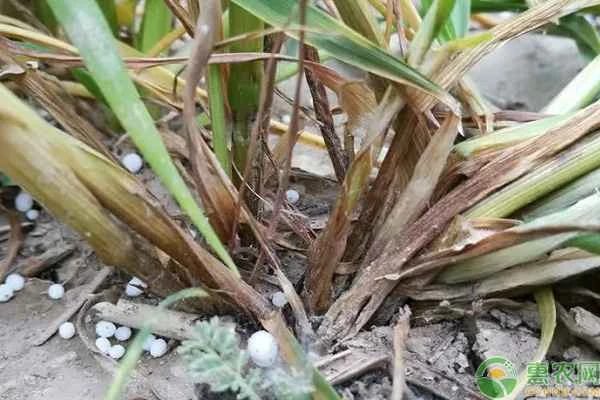
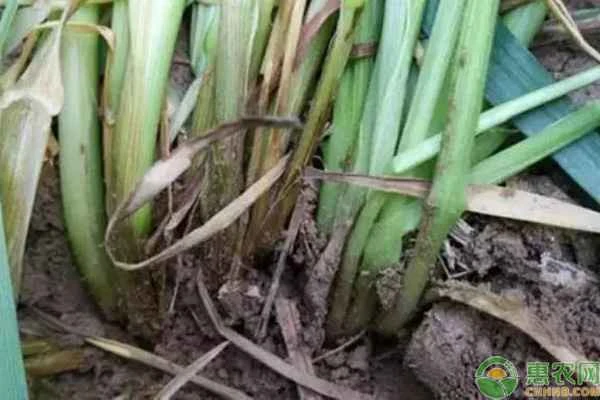
In the early stages of the disease, dark brown lesions appear on the basal leaf sheaths. As the disease progresses, these lesions gradually expand inward, affecting the bottom 1-3 nodes of the stem. Once the lesions encircle the stem, the above-ground parts of the stem gradually wither and die due to insufficient water supply. After the wheat heads emerge, the plant dies, resulting in scattered withered white ears in the field. In severe cases, patches of plant death can occur, leading to significant yield reduction in wheat.
How to prevent and control wheat stem rot?
1. Disease-resistant varieties
When planting wheat, choose varieties that are resistant to wheat stem rot or have strong stress resistance, suitable for the local conditions.
2. Reasonable crop rotation
Wheat that is frequently affected by disease can be rotated with crops such as corn, soybeans , cotton, and peanuts to reduce the occurrence of wheat stem rot.
3. Perform appropriate deep turning
Deeply till the soil before sowing, to a depth of about 30 centimeters, to turn the topsoil straw or residues down to the bottom layer of soil, reducing the number of pathogens.
4. Delayed broadcast at an appropriate time
Based on the local occurrence of wheat stem rot and weather conditions, wheat sowing time can be appropriately delayed by 5-10 days. For late-sown plots, the sowing amount can be increased and the sowing depth can be controlled, with a suitable sowing depth of 3-4 cm.
5. Seed treatment
Treating wheat seeds with seed treatment suspensions of phenyl ether·pyrrolizidine thiamethoxam, tebuconazole·imidacloprid, or pyrazole·methoxyfenozide seed treatment suspensions can effectively control wheat stem rot.
6. Chemical control
For wheat stem rot, use 15-20 ml of 39% cymoxanil-amycin suspension + 10 ml of 10% thiamethoxam-high chlorpyrifos suspension + 50 g of 99% potassium dihydrogen phosphate, diluted in 30 kg of water, and spray evenly 1-2 times.