During grape cultivation, shriveled berries often occur, affecting yield. Removing shriveled berries during planting promotes berry development and enlargement, resulting in a more attractive appearance, improved marketability, and prevention of later-stage diseases.
Why remove shriveled grapes when planting them?
Most grape varieties are self-pollinating. If, for some reason, fertilization is poor and small, shriveled, deformed, or densely packed berries fail to develop, be sure to thin them out to prevent the berries from becoming too dense and resulting in poor fruit shape.
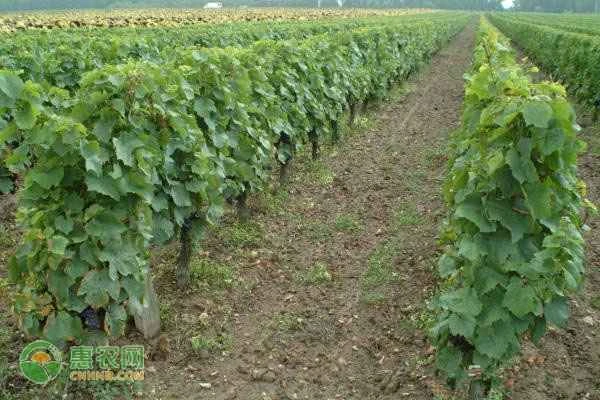
The purpose of thinning out shriveled grapes is to make the grape bunches and berries uniform in size, with gaps between the berries, which is conducive to the development and expansion of the berries, resulting in a more attractive appearance and improved marketability.
Remove shriveled, small, and damaged grapes to create gaps between them, which facilitates thorough spraying and improves aeration, preventing later-stage diseases such as cracking, gray mold, and sour rot.
What causes grapes to shrivele?
1. Causes of the disease
Many diseases can cause grapes to rot and shrivele. Common diseases include downy mildew, white rot, canker, rotten vine, and sour rot. These five diseases affect different parts of the plant and have different symptoms, but they all cause grapes to rot and shrivele in the later stages.
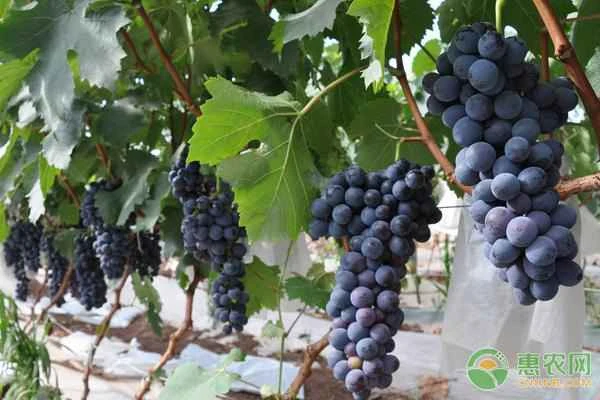
2. Environmental reasons
For example, prolonged exposure of the fruit to direct sunlight can cause sunburn, which will eventually lead to the grapes drying out. This is especially true after rainy days followed by sunny weather, as well as continuous high temperatures above 33 degrees Celsius.
3. Other reasons
The lack of certain trace elements, coupled with the excessive and unrestrained use of growth promoters and hormones by many farmers in pursuit of higher yields and faster maturity, have led to shriveled and soft grains.