Many people enjoy growing flowers and plants at home, but improper care often leads to their death. To ensure healthy growth of potted plants, it's essential to provide them with the necessary growing environment. So, how do you care for potted plants? Let's take a look.
1. Choose a suitable container
Choosing the right container is key to potted plants. Ensure the container has sufficient drainage holes to prevent waterlogging and root rot. The container size should be appropriate for the plant's growth needs, providing ample space for the roots.
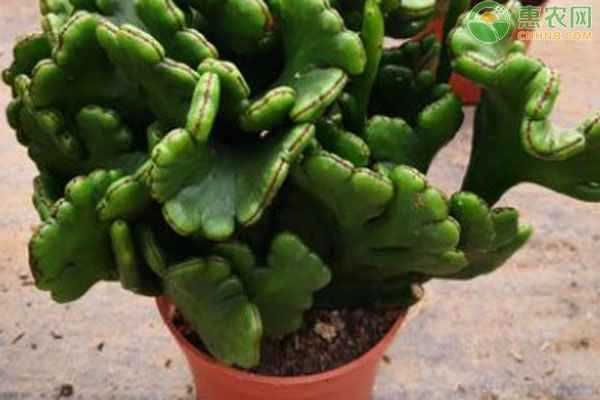
2. Choose suitable plants
Choosing the right plants for your potted plants is very important. Consider the plant's growth habits, size, and light requirements, and select varieties that are well-suited to the potting environment. Some common potted plants include cacti , succulents , and small shrubs.
3. Provide adequate lighting
Most plants need plenty of light to grow healthily. Understand the light requirements of the plants you choose and place the container in a suitable location to ensure the plants receive enough sunlight or moderate shade.
4. Watering management
The watering needs of potted plants depend on soil moisture and environmental conditions. Before each watering, check the moisture level of the soil surface and ensure that the soil around the plant's roots is moist. Avoid overwatering, but also don't let the soil become too dry.
5. Fertilizing
Potted plants typically require regular fertilization to provide them with nutrients. Choose a fertilizer suitable for potted plants and follow the instructions on the packaging. Avoid over-fertilizing to prevent harm to the plants.
6. Regular pruning and maintenance
For fast-growing potted plants, regular pruning can control their shape and size and promote new growth. At the same time, removing fallen leaves and dead branches keeps the potted plant tidy.
7. Pest and disease management
Monitor potted plants for pests and diseases. Detect and control pests promptly, such as manually removing them, using organic pesticides , or employing biological control methods.
8. Replace the soil regularly.
Regularly changing the soil in potted plants can prevent soil fatigue and nutrient deficiency. Repotting plants into fresh soil every year or every few years provides them with more nutrients.
9. Pay attention to temperature and humidity.
Potted plants are sensitive to changes in temperature and humidity. Avoid exposing plants to extreme temperature and humidity conditions. Provide an appropriate temperature and humidity environment according to the plant's needs.
10. Frequent observation and care
Closely observe the growth of potted plants and care for them as needed. Pay attention to the plant's growth status, leaf color and shape, and adjust care methods promptly to maintain their health.