Cattle farming is one of my country's traditional livestock industries, and there are many cattle farmers in my country's vast rural areas. However, in the process of raising cattle, various situations will always be encountered, such as newborn calves refusing to drink milk. What's going on? Let's take a look at the reasons why newborn calves don't drink milk and how to solve them.
1. Weak calf
Breasts born weak will exhibit symptoms such as being unable to stand, lethargy, and refusal to nurse. The main cause of weak calves is improper feeding and malnutrition of the mother cow during pregnancy.
Solution: For this type of situation, prevention is the best approach. During pregnancy, the cow should receive adequate nutrition to improve her health and ensure the calf is born with good physical condition.
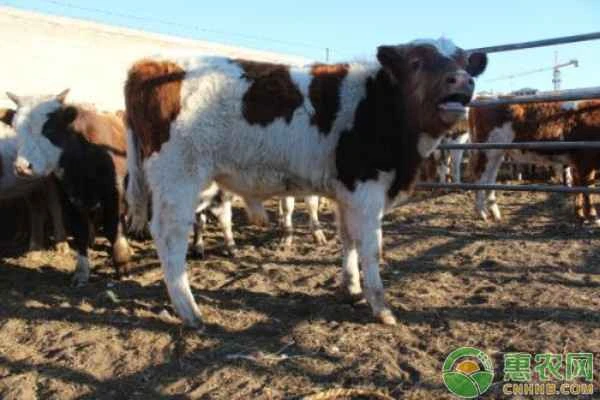
2. Numbness of the calf's tongue
Improper handling during the delivery of a newborn calf can lead to numbness of the calf's tongue, causing it to refuse to nurse. For example, when farmers remove mucus from the calf's mouth and nose, they may accidentally touch the base of the calf's tongue, damaging the nerves there and causing numbness. Similarly, pulling too hard on the calf's tongue can also damage these nerves, resulting in numbness.
In addition, if too much force is used when using a calf respirator to drain amniotic fluid from a calf, it can injure the calf's tongue and cause it to become numb.
Solution: The best approach is to massage the base of the calf's tongue with your hands while simultaneously feeding it colostrum using a bottle. This will allow the calf to receive colostrum promptly. After two or three days of massage, the calf will gradually return to normal.
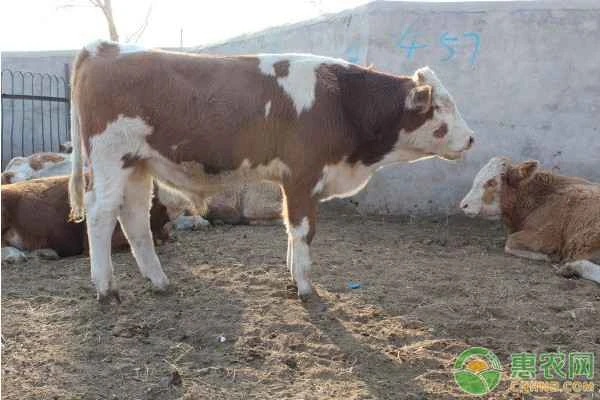
3. Abdominal pain and indigestion in calves
If the environment in the cowshed is poor, parasites can easily breed. If calves are infected with roundworms, they will suffer from white diarrhea, accompanied by symptoms such as abdominal pain. When calves are in pain, they will not want to suckle.
Solution: If a calf catches a cold or is infected with roundworms, it needs to be treated promptly. The type and dosage of medication must be strictly followed according to the instructions; overdosing can negatively impact the calf's health. During treatment, you can also give the calf a multivitamin supplement to provide nutrition and promote recovery.