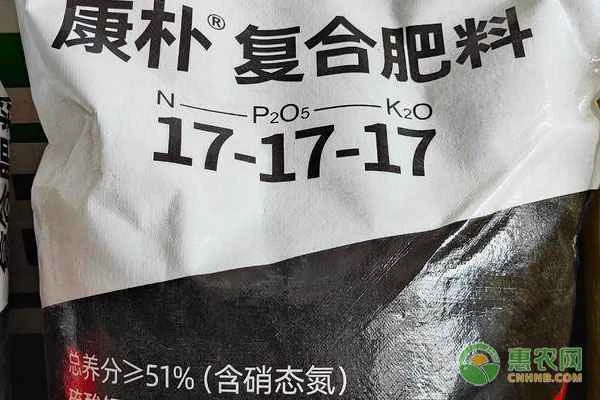
Compound fertilizer is a commonly used fertilizer , known for its balanced content of nitrogen, phosphorus, and potassium. So, can compound fertilizer be diluted with water for watering plants? Let's find out.
Can compound fertilizer be diluted with water to water flowers?
Compound fertilizer can be diluted with water for watering plants. This is a common method, but it's crucial to control the concentration. The dilution ratio should be 1:1000. The fertilizer must be thoroughly stirred and completely dissolved to prevent root burn. Never pour the fertilizer onto the leaves, as this can cause burns.
How else can compound fertilizer be used to fertilize flowers?
Besides diluting compound fertilizer with water for watering, you can also use it by shallowly burying it in the soil. Dig a shallow hole in the surface of the flowerpot, sprinkle an appropriate amount of compound fertilizer in the hole, and then cover it with soil. This way, each time you water, the compound fertilizer will be absorbed into the soil, providing ample nutrients and promoting vigorous plant growth. While this method is simple and easy to use, it also has some drawbacks. Because compound fertilizer is usually granular, it doesn't decompose easily when buried in the soil. If it's too close to the roots, it can easily burn them. Therefore, beginners are advised to use a method that involves diluting the compound fertilizer with water for watering.

Precautions for using compound fertilizer for growing flowers
1. When using compound fertilizer, pay attention to "targeting". Use a compound fertilizer with a suitable formula according to the characteristics of the flowering plants. Plants that like fertilizer can have a slightly higher concentration, but plants that do not like fertilizer should have a lower concentration.
2. Excessive use of compound fertilizer can easily lead to soil compaction and salinization, which is detrimental to the growth of flowers. It is recommended to use it in combination with microbial inoculants and potassium humate.
3. Pay attention to supplementing trace elements and apply more organic fertilizer .