Soil activators are various products that can be added to the soil to improve soil structure and increase plant productivity. They can decompose organic matter in the soil and increase available nutrients. But can soil activators really change soil properties? The answer is as follows:
Can soil activators really change soil properties?
Soil activators can indeed change soil properties. This is because they contain humus, as well as beneficial bacteria, fungi, algae , and molasses. When used in clay soils, humus improves soil structure, making it looser, which facilitates the freer flow of water and nutrients. When used in sandy soils, humus helps the soil retain moisture and provides nutrients for plants.
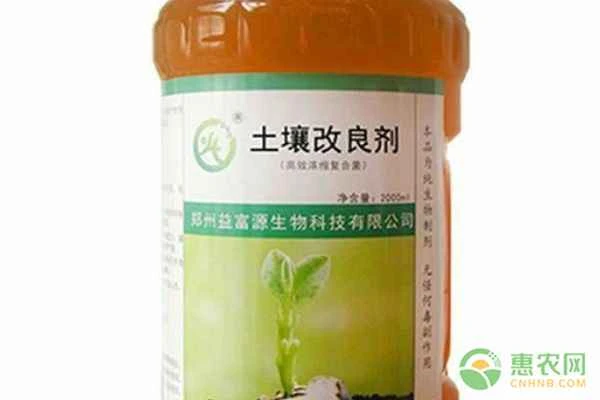
What are the methods for using soil activators?
1. Uses and functions
Soil activators can be widely used in agricultural production, especially in restoring the ecological environment, improving soil quality, and sequestering carbon and reducing emissions.
2. How to use
There are two main methods of application. One is to spray it directly onto the soil. It is important to note that the soil activator must be diluted before spraying. After spraying, it should be deeply plowed or buried in the soil in a trench in time to avoid exposure to sunlight. The other method is to mix it with fertilizer . When mixed with fertilizer, there are two methods: top dressing and basal application. Both of these methods require fermentation before use.

3. Dosage
The dosage of soil activator should be determined based on factors such as soil fertility, crop variety, and geographical environment. Generally, it is recommended to use it according to the dosage suggested in the product instructions.
4. Usage Instructions
(1) Different soil types require different soil activators. Before use, a thorough understanding and investigation are necessary.
(2) Soil activators need to be combined with other soil improvement measures, such as fertilization and irrigation, to achieve the best results.