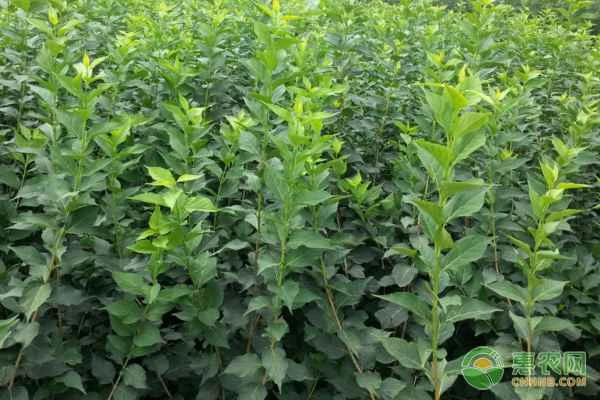
Fritillaria is a common and valuable medicinal herb, primarily used for its bulb. It has a wide range of medicinal uses and high market value. Currently, it is evenly distributed in provinces such as Hebei, Shanxi, Shaanxi, and Gansu in China. So, what are the cultivation techniques and yield per acre for Fritillaria? Details are as follows:
The yield per mu of fritillaria
The yield per mu (a Chinese unit of area, approximately 0.165 acres) for fritillaria is roughly four to five thousand yuan. However, market conditions vary in different regions, and factors such as differences in cultivation techniques also contribute to the variations in yield per mu.
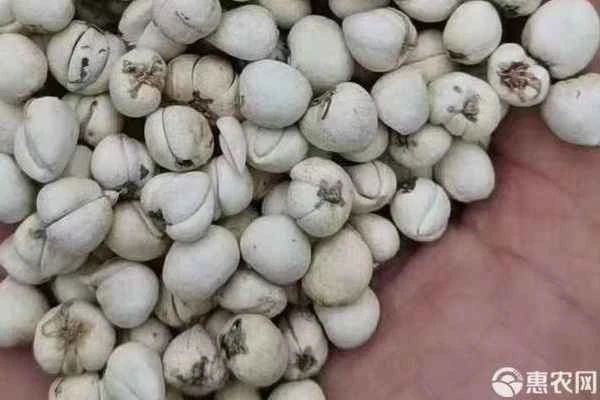
Fritillaria cultivation techniques
1. Site selection and land preparation
Fritillaria cirrhosa thrives in loose, moist, and relatively fertile humus or sandy loam soil. The best preceding crop is legumes or corn. After selecting the site, plow and let it dry in late April to early May, then harrow and level it before making raised beds.
2. Make beds and apply fertilizer
It can be made into flat or low ridges 100-200 cm wide, and base fertilizer is applied in a concentrated manner while making the ridges. Generally, farmyard manure is the main component, with 3000-5000 kg per mu, which is then mixed evenly with the soil.
3. Seed treatment
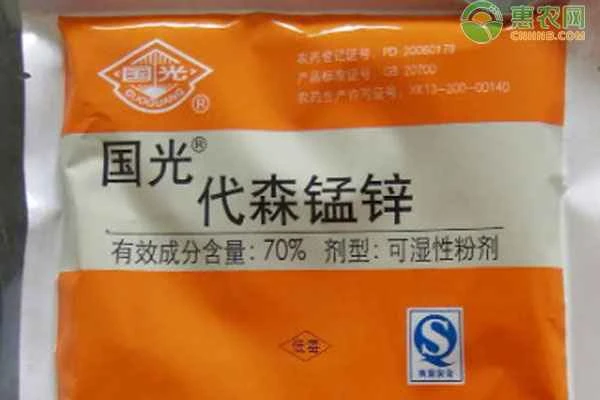
Before sowing, soak the seeds in a 0.3%-0.5% potassium permanganate solution for 24 hours, then remove and dry them before sowing to improve germination rate and stress resistance. Alternatively, fritillaria can also be sown using bulbs; generally, fresh, intact, undamaged bulbs with a diameter of 3-5 cm are sufficient.
4. Sowing method
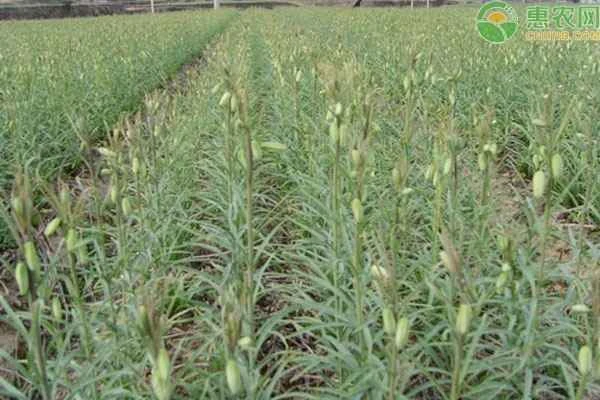
Fritillaria should be sown densely, evenly broadcast on the seedbed, ensuring the seeds do not overlap. Approximately 25 kg of seeds are needed per acre. After sowing, immediately cover the seeds with sifted humus or well-rotted, sifted compost, about 2 cm thick, and then cover with a layer of straw or wheat straw to retain moisture.
5. Shade planting
Planting shade crops creates a cool and humid environment for the fritillaria. Ideally, corn should be planted along the edges of the beds, and soybeans on the surface , making full use of land resources. The corn plant spacing should be 30-40 cm; the soybean row spacing should be 25-30 cm, and 2-3 rows can be planted longitudinally along the beds.